





 Powrót


Which Grains Are Naturally Gluten-Free? Benefits of Gluten-Free Grains
Gluten-free grains are growing in popularity—not only among people with celiac disease. Naturally gluten-free grains offer numerous health benefits. Find out which gluten-free grains are worth including in your diet and how they can improve your overall well-being.
In this article, you will learn:
Gluten-Free Grains – Which Ones Are They?
People following a gluten-free diet often turn to processed and refined grain products. These foods are low in protein because they lack gluten. Such products also tend to have low levels of B vitamins and essential minerals like zinc, iron, calcium, magnesium, selenium, and copper.
If you’re on a gluten-free diet, opt for naturally gluten-free grains. They provide vitamins, minerals, and high-quality protein with an excellent amino acid profile.
Which Grains Are Naturally Gluten-Free?
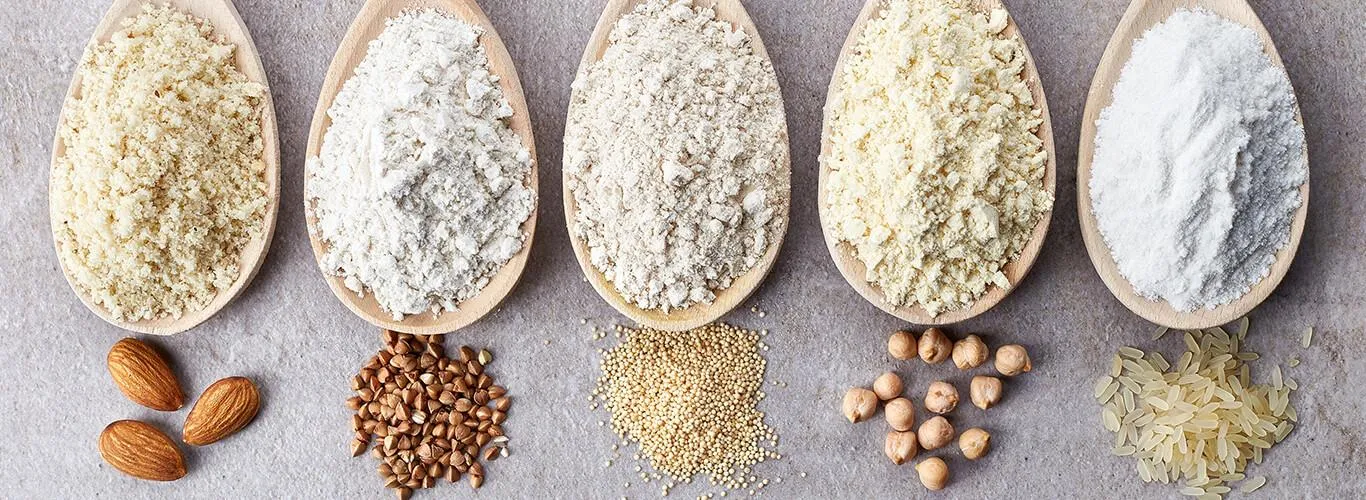
If you’re looking for alternatives to traditional grains, choose naturally gluten-free options such as:
- Amaranth
- Buckwheat
- Millet
- Corn
- Cassava
- Rice
- Sorghum
- Quinoa
- Teff
- And others
Products made from these grains are available in the form of whole grains, flakes, groats, and puffed grains. They are also used to produce gluten-free pasta, bread, and cookies. These grains often match or even surpass traditional grains in nutritional value.
Overview of Naturally Gluten-Free Grains
If you need to reduce or eliminate gluten, consider incorporating naturally gluten-free grains into your diet. Here’s a closer look at several such grains and the products made from them.
Amaranth
Amaranth—also known as “the mother of all grains”—is one of the oldest cultivated plants, once prized by the Maya and Aztecs. It was called “Incan gold” and “sacred plant of the Indians,” and today it’s known as “the grain of the 21st century.”
Its seeds are rich in high-quality, easily digestible protein, with a notable content of lysine, tryptophan, and sulfur-containing amino acids. Amaranth is also a good source of:
- Fiber
- Unsaturated fatty acids
- B vitamins (B6, folate, B5)
- Vitamins C and E
- Minerals (calcium, magnesium, zinc, potassium, iron, and phosphorus)
Just 100 g of amaranth covers one-third of the daily calcium requirement. It also contains more iron than any other plant—including spinach. Amaranth is one of the few plant sources of squalene, a lipid with chemopreventive, antibacterial, and antifungal properties.
Amaranth seeds can be cooked, baked, or stewed. You’ll also find puffed amaranth and flakes, which can be eaten raw, e.g., as a yogurt topping. Amaranth flour is used in baking, often mixed with other flours. The plant is also used to produce starch, oil, and cookies.
Buckwheat
Buckwheat has long been used in Polish cuisine, primarily as groats. The largest producers today are Brazil and China. Botanically, it belongs to the knotweed family, like rhubarb and sorrel.
It features a well-balanced amino acid profile (rich in lysine and methionine) and is a valuable source of:
- Fiber
- Minerals: calcium, magnesium, iron, copper, phosphorus, zinc
- Vitamins: B1, B2, C, and niacin
It also contains D-chiro-inositol, which supports insulin secretion, and abundant phenolic compounds (e.g., rutin) with antioxidant effects. The fiber in buckwheat improves bowel motility, binds excess bile acids and water.
These properties make buckwheat effective in combating chronic diseases like obesity, hypertension, cardiovascular diseases, and cancer.
Buckwheat is used to make groats, flakes, and flour. Buckwheat honey is also valued for its health benefits. There are two main types of groats: white (raw) and roasted, which differ in their nutritional value, particularly in heat-sensitive B vitamins. Due to the presence of trypsin inhibitors and tannins, white buckwheat has slightly lower protein digestibility.
Buckwheat groats work well in savory and sweet dishes.
Millet
Millet is widely grown in Eastern Europe and Southeast Asia. In Poland, it’s mainly cultivated in the Lubusz and Świętokrzyskie regions. It is easy to grow thanks to its short growing season.
Nutritional highlights of millet include:
- Amino acids like leucine, isoleucine, and methionine
- B vitamins (thiamine and riboflavin)
- Lecithin
- Minerals: iron, magnesium, zinc, copper, silicon
Millet has alkalizing properties, is diuretic, and helps suppress bacterial growth in the mouth. It’s also recommended for people with candidiasis due to its antifungal effects.
The most popular millet product is millet groats, obtained by dehulling the grains. Millet is easy to digest and a good source of protein and essential amino acids. You can also find millet flakes, puffed grains, and millet flour. Millet is also used in beer production.
Corn
Corn originated in the Western Hemisphere and has been cultivated in the Americas for 5,000 years. Today, it grows in many regions worldwide.
It is primarily a source of carbohydrates and fats, and contains little protein and minerals. However, it is rich in:
- Vitamin B1
- Carotenoids
- Fiber
You’ll find many corn-based products on the market: cornmeal, bran, flakes, grits, oil, and alcoholic beverages.
Cassava (Tapioca)
Cassava is a shrub with starchy tuberous roots. The raw tubers are inedible due to high glycoside content. As a starchy product, cassava is rich in:
- Calcium
- Zinc
- Phosphorus
- Potassium
- Sodium
- Magnesium
- Manganese
- Copper
- Iron
- Vitamins B, C, and A
Due to its high starch content, it’s available in dried form and as tapioca flour, similar to potato starch. Tapioca pearls are commonly used to thicken soups and sauces and are also available as granules.
Rice
Rice has been cultivated for over 4,000 years, especially in China, India, Indonesia, Thailand, and Bangladesh. In Europe, it’s grown in northern Italy, Spain, and southern France.
Rice contains about 78% easily digestible starch. Protein content varies by type but includes a good amount of lysine. Although low in fats, about 30% of rice lipids are linoleic acid. It’s rich in vitamin E, B vitamins, and minerals (potassium, calcium, phosphorus, iron, magnesium). Brown rice has twice as many minerals as white rice.
Rice is a cheap and versatile staple, available in many varieties: long grain (basmati, jasmine), medium grain (arborio), and short grain. Wild rice, grown mainly in North America, is also available. Processing methods result in brown, white, parboiled, precooked, and instant rice.
You’ll also find rice flakes, bran, starch, flour, pasta, and rice milk on store shelves.
Sorghum
Sorghum is a drought- and heat-tolerant grass from the Poaceae family, making it ideal for African climates. Compared to corn, it contains more polyunsaturated fatty acids and is a good source of:
- B vitamins
- Fat-soluble vitamins
- Micro- and macroelements
It is rich in polyphenols, including phenolic acids, flavonoids, and tannins. Sorghum is recommended for people with diabetes or obesity because it contains resistant starch, which helps prolong satiety.
Some sorghum proteins (e.g., kafirins) are not digestible due to resistance to proteases, which reduces the grain’s overall protein value.
Available forms include sorghum flour and groats. It’s used in the production of alcohol, beer, and bread-like products.
Quinoa
Quinoa—also known as Peruvian rice or Bolivian millet—is a highly nutritious pseudo-cereal. Though not botanically a grain, it produces starchy seeds similar in use to cereals.
A member of the Amaranthaceae family, quinoa has been cultivated for over 5,000 years, especially in South America. It’s one of the most widely consumed pseudo-cereals and grows easily in poor soil conditions. There are multiple color varieties: white, black, and red. In Poland, a related plant—white goosefoot (Chenopodium album)—is often considered a weed.
Quinoa is high in protein with a complete set of essential amino acids. It also contains omega-3 fatty acids and a broad range of minerals (manganese, iron, magnesium, copper, phosphorus, calcium) and vitamins A, E, C, and B.
Due to its high saponin content, quinoa should be rinsed under running water before use. Its fiber content is about 6% of dry weight. Quinoa is recommended for diabetics due to its low glucose and fructose content and high levels of D-xylose and maltose.
Quinoa is available as groats, flour, flakes, and pasta.

Udostępnij ten artykuł