





 Powrót


Vegetarianism – What to Eat to Avoid Deficiencies? Part 2
Are you considering switching to a vegetarian diet? You’ll need to pay particular attention to potential nutrient deficiencies. In the first part of the article, we discussed the risk of deficiencies in iron, vitamin B12, and zinc. Read on to learn what else you need to consider and what to eat on a plant-based diet to prevent deficiencies.
In this article, you will learn:
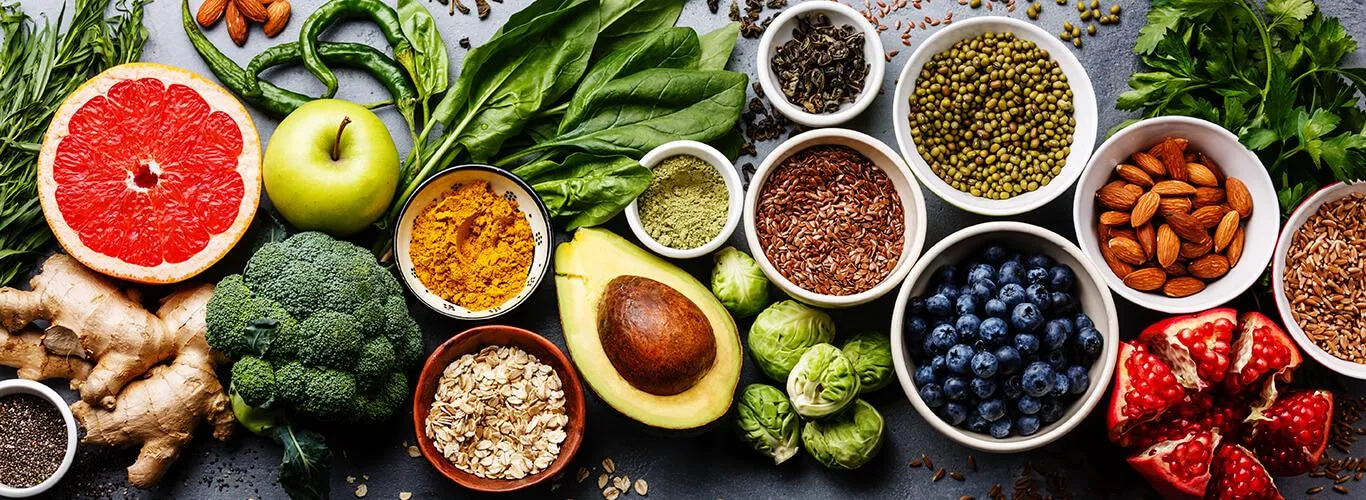
What to Eat on a Vegetarian Diet?
A vegetarian diet should first and foremost be diverse. If you’re transitioning to vegetarianism, it’s crucial to ensure a varied menu that supplies all the essential nutrients.
This article is the second part of a series on nutrient deficiencies in plant-based diets. The first part covered iron, vitamin B12, and zinc.
Vegetarianism – What to Eat? Potentially Deficient Nutrients in a Plant-Based Diet
Below, you’ll find an overview of additional potentially deficient nutrients on a vegetarian diet: iodine, calcium, selenium, and vitamin D. You’ll learn what to eat on a vegetarian diet to supply these nutrients and avoid their deficiency.
At the end of the article, you’ll find a table with examples of plant-based foods rich in key nutrients.
Iodine
Iodine is essential for proper thyroid function. It supports the production of hormones such as thyroxine (T4) and its active form, triiodothyronine (T3). Maintaining adequate iodine intake is crucial — long-term deficiencies can lead to hypothyroidism, thyroid enlargement, and goiter.
Since the main sources of iodine are fish and seafood, plant-based diets may have a lower iodine content. The amount of iodine in plant foods depends on climate, soil composition, and farming practices (e.g., fertilization). Therefore, plants are not reliable iodine sources. Vegetarians may be at risk of iodine deficiency.
Key sources of iodine on a vegetarian diet include:
- iodized salt,
- iodized water,
- algae,
- seaweed.
Caution is advised when consuming seaweed, as iodine levels can vary significantly. The richest varieties include wakame, kelp, and kombu.
Iodized table salt has significantly improved overall iodine intake in the population. However, it’s important to note that iodized salt is not typically used in food processing. Sea salt, salty seasonings, soy sauce, and ready-made foods usually do not contain iodine.
Plant foods with low iodine content include mushrooms, broccoli, peanuts, spinach, milk, and pumpkin seeds. Also, certain antinutrients (e.g., goitrogens, isoflavones, thiocyanates) bind iodine in foods and reduce its absorption. Nitrates, fluorides, calcium, magnesium, and iron can also impair iodine bioavailability.
Calcium
Calcium is a fundamental building block of bones and teeth. It also supports proper heart and circulatory function. Chronic calcium deficiency can lead to osteopenia and, eventually, osteoporosis. The richest sources of calcium are milk and dairy products.
Some plant-based foods also provide calcium, though its bioavailability is lower due to the presence of oxalates, phytates, and fiber.
For example, calcium absorption from high-oxalate vegetables (e.g., beets, spinach, Swiss chard) can be below 5%, making them unreliable sources despite their calcium content.
In contrast, calcium absorption from low-oxalate vegetables (e.g., kale, turnip greens, Chinese cabbage, broccoli, savoy cabbage, soy sprouts, pak choi) can reach around 50%. Other plant foods (such as white beans, almonds, tahini, figs, oranges, sesame, poppy seeds, sunflower seeds, and chickpeas) offer calcium with a bioavailability of 15–20%.
Factors that enhance calcium absorption include:
- lactose,
- certain amino acids,
- vitamins D, C, and K,
- potassium,
- milk phosphopeptides.
The calcium-to-phosphorus ratio is also important and should not exceed 1:1. High phosphorus intake increases parathyroid hormone (PTH) levels, which promotes calcium resorption from bones to maintain serum calcium balance.
Factors that hinder calcium availability include: caffeine, alcohol, cola-type sodas, high salt intake, and processed foods — all of which increase urinary calcium excretion.
Calcium intake in lacto-ovo vegetarians is comparable to or even higher than in meat-eaters. However, meeting calcium needs is more difficult on a vegan diet, where intake is often significantly lower. This leads to lower bone mineral density and an increased risk of osteoporosis. Studies show that fracture risk is similar among lacto-ovo vegetarians and omnivores, but 30% higher among vegans.
In some cases, it may be necessary to use calcium-fortified foods or, ultimately, supplements. Among supplement options, calcium citrate has the highest bioavailability (at least 36%).
Selenium
Selenium is a cofactor for many enzymes in the body, including glutathione peroxidase — a key antioxidant enzyme that protects cells from oxidative stress.
Selenium deficiency impairs immune function and increases susceptibility to bacterial and viral infections. It may also disrupt thyroid function.
Rich sources of selenium include offal, fish, and shellfish. However, selenium content in foods depends heavily on soil and water levels, which vary worldwide. Polish soils, for example, are low in selenium, reducing the amount available in local plant-based foods.
What supports selenium bioavailability?
- proteins,
- vitamins A, E, and C,
- other antioxidant compounds.
Factors that inhibit selenium absorption include heavy metals and high sulfur intake. Bioavailability also depends on the type of food — plant-based selenium is usually well-absorbed, while some fish (e.g., tuna) offer lower bioavailability.
Vitamin D
Vitamin D plays a vital role in calcium-phosphate balance and bone metabolism. Its deficiency can lead to osteomalacia and osteoporosis.
Vitamin D levels depend primarily on endogenous synthesis via sun exposure, which accounts for about 90% of our supply. However, this process depends on several factors:
- time of day and year,
- cloud cover,
- latitude,
- air pollution,
- age,
- skin pigmentation,
- sunscreen use.
The second, less significant source of vitamin D is food. It exists in two forms:
- D3 (cholecalciferol) – found in animal products,
- D2 (ergocalciferol) – found in plant products.
Main sources include fatty fish (salmon, mackerel, herring, eel), cheese, cod liver oil, eggs, and milk. Most plant foods contain very little or no vitamin D, except for certain mushrooms.
Studies show that even a well-balanced diet often fails to meet daily vitamin D needs. Vegetarians are therefore at increased risk of deficiency.
How to meet vitamin D requirements?
Expose your skin to sunlight for at least 15 minutes daily (between 10 a.m. and 3 p.m., from May to September), with bare forearms and legs and no sunscreen.
If these conditions are not met, supplementation is recommended at 800–2000 IU/day, year-round. The optimal dose depends on body weight and dietary intake.
Vegetarianism – What to Eat? Key Sources of Nutrients in a Plant-Based Diet
What should you eat on a vegetarian diet to avoid deficiencies? Check out the table below for plant-based foods rich in essential nutrients:
Selected sources of key micronutrients in a vegetarian diet:
| Nutrient | Vegetarian food sources |
|---|---|
| Iron | Legumes (lentils, chickpeas, soybeans), tofu, whole grains, seeds (pumpkin, sesame), dried fruits (apricots, raisins), leafy greens, beetroot, spirulina |
| Zinc | Legumes, whole grains, pumpkin seeds, sesame seeds (tahini), sunflower seeds, nuts (especially cashews), fortified cereals |
| Vitamin B12 | Fortified plant-based products (e.g. plant milks, breakfast cereals, nutritional yeast), supplementation |
| Calcium | Fortified plant-based milks and yogurts, tofu set with calcium salts, kale, bok choy, almonds, sesame seeds (tahini), chia seeds |
| Vitamin D | Fortified foods (e.g. plant-based drinks, margarines), mushrooms exposed to UV light, supplementation (especially in autumn/winter) |
| Iodine | produkty roślinne wzbogacone w witaminę B12 |
| Selenium | Brazil nuts (1–2 per day suffice), whole grains, legumes, sunflower seeds, mushrooms, garlic, onions |
Summary: What to eat on a vegetarian diet to prevent deficiencies?
A well-balanced vegetarian diet can be healthy and complete — provided it is well planned. Special attention should be paid to nutrients that are less abundant or less bioavailable in a plant-based diet. These include iodine, calcium, selenium, and vitamin D, as discussed in this article. In the first part of the article, we also addressed the risk of deficiencies in iron, zinc, and vitamin B12.
To avoid nutrient deficiencies, a vegetarian diet should be:
- Diverse – including legumes, grains, nuts, seeds, fruits, and vegetables;
- Supplemented when necessary – especially with vitamin B12 and vitamin D;
- Focused on bioavailability – by using appropriate food combinations and preparation techniques;
- Enriched with fortified foods – such as plant-based drinks fortified with calcium or vitamin D;
- Supervised, if needed – especially in the case of vegans or individuals with increased nutrient requirements (e.g., during pregnancy or adolescence).
With the right choices, a vegetarian diet can meet nutritional needs and support long-term health.
Udostępnij ten artykuł