





 Powrót


The DASH Diet – Who Is It For?
Is there a way of eating that supports heart health, lowers blood pressure, and protects against lifestyle diseases at the same time? Yes – the DASH diet, one of the healthiest diets in the world. But who is the DASH diet meant for? Find out what its principles are and who can particularly benefit from following it.
In this article, you will learn:
What is the DASH diet? Principles
The DASH diet, alongside the Mediterranean diet, is considered one of the healthiest dietary models in the world. For years, it has ranked among the top in health-promoting diet rankings. It was created as a method of preventing and treating hypertension. However, it turned out that not only people with high blood pressure can benefit from it.
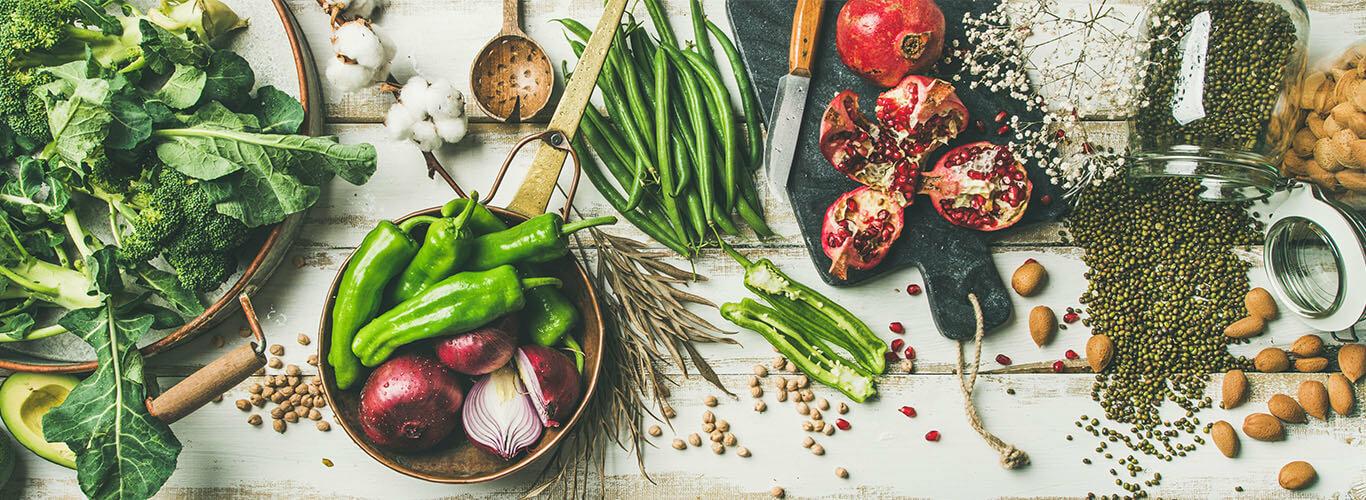
The foundation of the DASH diet consists of:
- whole grain products,
- vegetables and fruits,
- legumes,
- fish,
- dairy products,
- nuts and seeds.
Following the DASH diet involves consuming the right portions of these food groups throughout the day. This way, the body receives all essential nutrients.
Cardiovascular Diseases and the DASH Diet
Lifestyle is a key factor in the development of cardiovascular diseases. This includes poor dietary habits such as excessive intake of red meat, saturated fats, trans fats, and insufficient consumption of fruits and vegetables.
People at increased risk of cardiovascular disease should consider adopting the DASH diet:
- those with a family history of cardiovascular disease,
- people who are overweight,
- individuals with hypertension,
- those who smoke or abuse alcohol,
- individuals with diabetes,
- women using hormonal contraception.
Following the DASH diet can improve lab results in these groups and help lower blood pressure (1). This is attributed to polyunsaturated fatty acids, which have anti-inflammatory and anti-thrombotic effects. They also increase HDL cholesterol and lower LDL cholesterol levels.
Fruits and vegetables are rich in antioxidants such as vitamins A, C, E, and polyphenols. These fight free radicals and prevent lipid oxidation (e.g., in cell membranes), thereby protecting cell membranes from damage.
Dietary fiber supports intestinal motility and binds some cholesterol and bile salts in the intestine, allowing them to be excreted with undigested food.
The DASH Diet and Diabetes
Diabetes negatively affects lipid metabolism and increases the risk of cardiovascular diseases. People with type 1 and type 2 diabetes should follow dietary recommendations and base their daily meals on whole grain products, vegetables, fish, and low-fat dairy.
Is the DASH diet suitable for diabetics? Absolutely. It helps stabilize blood glucose levels and prevents extreme fluctuations. It also provides many valuable minerals such as magnesium, calcium, and zinc, as well as B vitamins.
Magnesium is essential for proper glucose metabolism and improves insulin sensitivity. Calcium is necessary for bone mineralization and is particularly important for this group due to the increased risk of osteoporosis (2,3).
Obesity and Metabolic Syndrome
Individuals struggling with excess body weight often develop metabolic syndrome, which increases the risk of atherosclerosis and cardiovascular diseases. Its components include:
- abdominal obesity,
- impaired glucose tolerance,
- low HDL cholesterol,
- elevated LDL cholesterol or triglycerides.
Following the DASH diet positively affects all these parameters. Combined with physical activity, this diet can sometimes serve as a treatment method for metabolic syndrome (4).
Does the DASH Diet Help You Lose Weight?
The DASH diet can promote weight loss, but only with a caloric deficit. By consuming the recommended number of servings from each food group, the diet fully meets daily nutritional requirements (proteins, fats, carbohydrates, vitamins, minerals). This reduces the risk of nutrient deficiencies that often occur with other weight-loss diets.
The Broad Health Benefits of the DASH Diet
The DASH diet lowers the risk of type 2 diabetes, neurodegenerative diseases, hypertension, atherosclerosis, cardiovascular diseases, and even certain cancers. These broad health benefits stem from its anti-inflammatory and antioxidant potential.
Anti-Inflammatory Effects of the DASH Diet
The monounsaturated and polyunsaturated fatty acids present in the DASH diet have strong anti-inflammatory properties. They are mainly supplied by:
- fish (herring, salmon, cod, mackerel, pike-perch),
- olive oil and rapeseed oil,
- nuts and seeds.
These fats are essential for the structure and function of cell membranes, including the myelin sheaths of the nervous system. They are also necessary for the synthesis of vital substances, such as some immune cells and neurotransmitters (which transmit signals between neurons).
Natural Antioxidants
The antioxidant properties of the DASH diet are mainly attributed to polyphenols, found in fruits, vegetables (especially dark leafy greens), and nuts.
Due to oxidative stress, dietary errors, and environmental factors, free radicals form in the body every day. They contribute to the development of neurodegenerative, cardiovascular, oncological diseases, and type 2 diabetes. They also accelerate aging and worsen skin condition. Polyphenols neutralize these harmful molecules.
The Role of Fiber in the DASH Diet
The DASH diet, based on whole grains, vegetables, and legumes, provides significant amounts of dietary fiber.
Insoluble fiber speeds up intestinal transit, stimulates digestive juice secretion, supports waste removal, promotes satiety, and protects against colon cancer, polyps, and diverticular disease.
Soluble fiber forms a gel-like substance that protects the intestinal lining. It undergoes fermentation in the colon, nourishing gut microbiota and lowering intestinal pH. It also slows post-meal glucose spikes and improves lipid profiles.
DASH Diet – For Whom? For Everyone!
So who is the DASH diet for? This dietary pattern is beneficial not only for those with existing health conditions but also as an excellent preventive measure for many diseases. Although it was designed to reduce blood pressure, it is appropriate for everyone.
It is particularly recommended for individuals at risk of cardiovascular diseases, such as those with hypertension, diabetes, or overweight.
However, the DASH diet is a great choice for anyone who wants to improve their health and prevent chronic conditions. It helps maintain healthy cholesterol levels, reduces the risk of type 2 diabetes, and protects against cardiovascular incidents. Healthy individuals will also benefit from following the DASH diet.
Want to put this eating plan into practice? Try the DASH diet with Peater. The app will create a well-balanced, personalized meal plan for you based on DASH principles. With Peater, you’ll also build healthy habits and maintain a proper body weight.

Udostępnij ten artykuł