





 Powrót


The DASH Diet – Effects. A Beneficial Impact on Lipid Profile, Blood Pressure, and Blood Glucose Levels
What are the effects of the DASH diet? Above all, it has a positive impact on lipid profile, blood pressure, and blood glucose concentration. Thanks to the principles on which it is based, it is considered one of the healthiest diets in the world. Read on to discover what else you can gain by adopting the DASH diet.
In this article, you will learn:
What Is the DASH Diet?
What are the goals and principles of the DASH diet? It was developed based on the Mediterranean diet, and its primary goal is the prevention and treatment of hypertension. However, it also has a beneficial effect on other blood parameters.
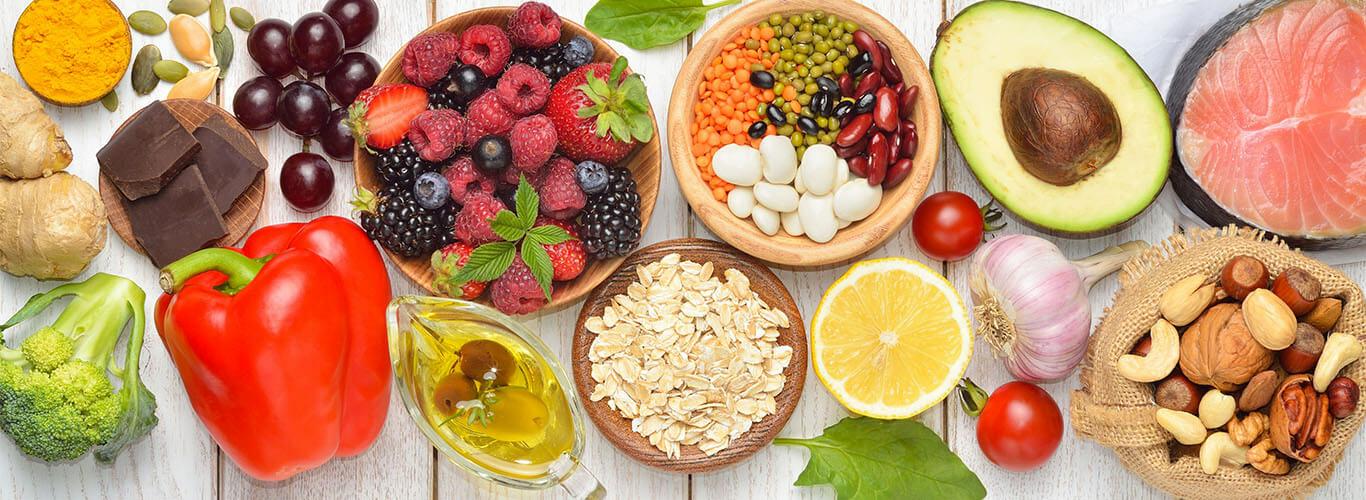
Like the Mediterranean diet, the DASH diet is based on:
- Fresh fruits and vegetables,
- Whole grain products,
- Low-fat dairy,
- Lean meat and fish.
Its principles are based on recommendations regarding the specific number of servings of these products that should be consumed daily.
The DASH Diet – Effects of One of the World’s Healthiest Diets
The DASH diet is low in saturated fatty acids and includes more mono- and polyunsaturated fatty acids, which are beneficial for health. It is also rich in products that are sources of natural antioxidants and high dietary fiber.
Analyses of numerous studies indicate that following this dietary pattern supports glycemic control and reduces the risk of type 2 diabetes by 23% (18-19). Compounds such as carotenoids, flavonoids, phytoestrogens, and polyphenols help prevent cardiovascular diseases, cancers, and other lifestyle-related diseases.
Moreover, DASH significantly improves lipid profile and blood pressure. This diet thus provides broad health benefits for the entire body.
Nutritional Richness of the DASH Diet
The DASH diet is rich in valuable nutrients that offer a wide range of health benefits. These include:
- Dietary fiber,
- Polyunsaturated fatty acids,
- Antioxidants,
- Flavonoids,
- B vitamins,
- Plant sterols,
- Magnesium,
- Calcium,
- Low sodium content.
High Dietary Fiber in the DASH Diet
Dietary fiber is mainly found in vegetables, fruits, nuts, and whole grain cereals. Its soluble fractions increase the excretion of bile acids and cholesterol via feces, which helps lower blood cholesterol levels.
Fiber also reduces the glycemic index of foods and improves insulin sensitivity in tissues. Additionally, it increases satiety, helping reduce calorie intake and supporting weight loss.
The DASH diet is high in fiber, primarily due to its emphasis on fruits and vegetables. The guidelines recommend consuming 4–5 servings of fruits and vegetables daily (favoring vegetables).
Polyunsaturated Fatty Acids in the DASH Diet – Health Effects
Polyunsaturated fatty acids are found in fish, nuts, and oils, including olive oil. They have anti-inflammatory and antithrombotic effects and help prevent blood clots.
Their consumption lowers LDL cholesterol and triglyceride levels in the blood. The anti-inflammatory effects also slow the growth of atherosclerotic plaques. They also slightly reduce blood pressure (1).
A meta-analysis of 13 studies involving over 222,000 individuals found that eating just one fish-based meal per week reduced the risk of death from coronary artery disease and heart attack by 15%. Increasing fish intake by just 20 grams per day reduced that risk by 7% (2).
It’s therefore important to include fish in your diet. On the DASH diet, fish should be consumed 2 to 4 times per week, especially fatty marine fish.
Antioxidant Effects of the DASH Diet
Antioxidants (including vitamins E, A, and C) reduce excess free radicals in the body. They also have anticancer and anti-inflammatory properties.
In the 1950s and 1960s, the “Seven Countries Study” was conducted to identify a diet that aligned with the eating habits of the general population while reducing the risk of lifestyle diseases. Researchers hypothesized that antioxidant-rich foods play a key role in preventing cardiovascular diseases (3).
In the 1990s, a follow-up analysis examined the relationship between the consumption of specific food groups and deaths from coronary heart disease over a 25-year period. Results showed that the more antioxidant-rich foods a diet contained, the lower the risk of death from heart disease (4).
Antioxidants in the DASH diet are found in plant oils (e.g., olive oil), vegetables, fruits, and legumes.
B Vitamins
Folic acid and other B vitamins help reduce homocysteine levels in the blood. Elevated homocysteine is a risk factor for cardiovascular diseases. Its increase initially raises blood pressure and promotes clot formation. It also increases the risk of atherosclerotic plaque buildup.
Observational studies show that every 5 µmol/L increase in homocysteine concentration is associated with a 32% higher risk of cardiovascular disease and a 59% higher risk of stroke (9).
B vitamins are found in green vegetables, whole grains, and legumes. The DASH diet recommends consuming 6–8 servings of whole grains per day and 4–5 servings of legumes per week. A properly balanced DASH diet meets these vitamin needs.
Flavonoids in the DASH Diet
Flavonoids help reduce inflammation and therefore lower the risk of atherosclerosis. Their consumption also reduces the likelihood of heart failure, myocardial infarction, and hypertension (5).
The Seven Countries Study analyzed daily flavonoid intake and its impact on cardiovascular mortality. It found that the more flavonoids consumed, the lower the death rate from coronary heart disease—evidence of the protective role of plant foods against atherosclerosis (6).
Flavonoids in red wine, especially resveratrol, have additional health benefits. These compounds:
- Increase HDL (“good”) cholesterol,
- Inhibit platelet aggregation,
- Act anti-inflammatory,
- Reduce LDL susceptibility to oxidation, thereby decreasing atherosclerosis risk (7, 8).
Flavonoids are present in fruits, vegetables, nuts, tea, cocoa, and herbs.
Plant Sterols
Plant sterols have multiple health benefits, including antioxidant and anticancer properties (10–13). They also lower LDL cholesterol by reducing the absorption of dietary cholesterol.
To achieve this effect, one should consume 2 g of stanols and/or plant sterols daily (no more than 3 g). Since such amounts are difficult to obtain from natural foods alone, functional foods or dietary supplements can be considered.
These compounds are naturally found in nuts, seeds, and legumes. They are also added to some soft margarines and yogurts.
Key Minerals in the DASH Diet Supporting Circulation
The circulatory system especially benefits from adequate levels of magnesium and calcium. Magnesium is vital for vascular physiological processes. It regulates intracellular activities that affect the function of arterial smooth muscles.
Proper magnesium levels ensure efficient blood flow. Deficiency leads to excess calcium influx into blood vessels, causing vasoconstriction and increased resistance, which raises blood pressure.
Magnesium is found in:
- Cocoa,
- Nuts,
- Legumes,
- Whole grain cereals (e.g., buckwheat, oats, wholemeal bread).
Calcium is the second essential mineral regulating the cardiovascular system. Intervention studies show that calcium supplementation reduces the risk of cardiovascular diseases by lowering blood pressure. It also improves the lipid profile by increasing HDL and reducing total cholesterol levels (14).
Calcium is found in:
- Milk and dairy products,
- Green vegetables (e.g., broccoli, kale, savoy cabbage),
- Legumes (e.g., beans, soy),
- Nuts and seeds (e.g., sesame).
Lower Sodium Content in the DASH Diet
Studies show a link between high salt intake and increased risk of cardiovascular diseases (15). Excess sodium triggers mechanisms that raise blood volume within vessels, leading to higher vascular resistance and blood pressure. Reducing salt intake (and thus sodium, which must be excreted by the kidneys) helps restore normal blood volume (16–17).
The DASH diet is characterized by relatively low sodium content. It recommends limiting salt intake to 5–6 g per day (2300 mg sodium), or even about 4 g (1500 mg sodium) daily.
The DASH Diet – Health Benefits from Nutrient-Rich Foods
The foods included in the DASH diet are rich in nutrients, minerals, antioxidants, and bioactive compounds. They positively affect:
- Lipid profile (total cholesterol, LDL, HDL, triglycerides),
- Homocysteine levels,
- Blood pressure,
- Blood glucose regulation.
These effects are especially important for individuals with hypertension or those at risk. However, even if you are not dealing with any of these conditions, DASH is still a great choice for prevention and long-term health.

Udostępnij ten artykuł