





 Powrót


Glycemic Index vs. Glycemic Load – What’s the Difference and Which One Matters More?
Are you familiar with the terms glycemic index (GI) and glycemic load (GL)? You probably are—especially if you’re dealing with carbohydrate metabolism issues. But do you know how to use them to improve your health and well-being? Read on to learn the differences between GI and GL and how to apply them in practice. You’ll see it’s not that difficult.
In this article, you will learn:
What Is the Glycemic Index?
The glycemic index (GI) is a scale that indicates how quickly a particular food raises blood glucose levels after consumption. In other words, it shows the impact of a food on the rate of increase in blood sugar. Foods with a high GI cause rapid spikes in glucose, while low-GI foods lead to a slower, more controlled increase.
Glycemic Index Scale:
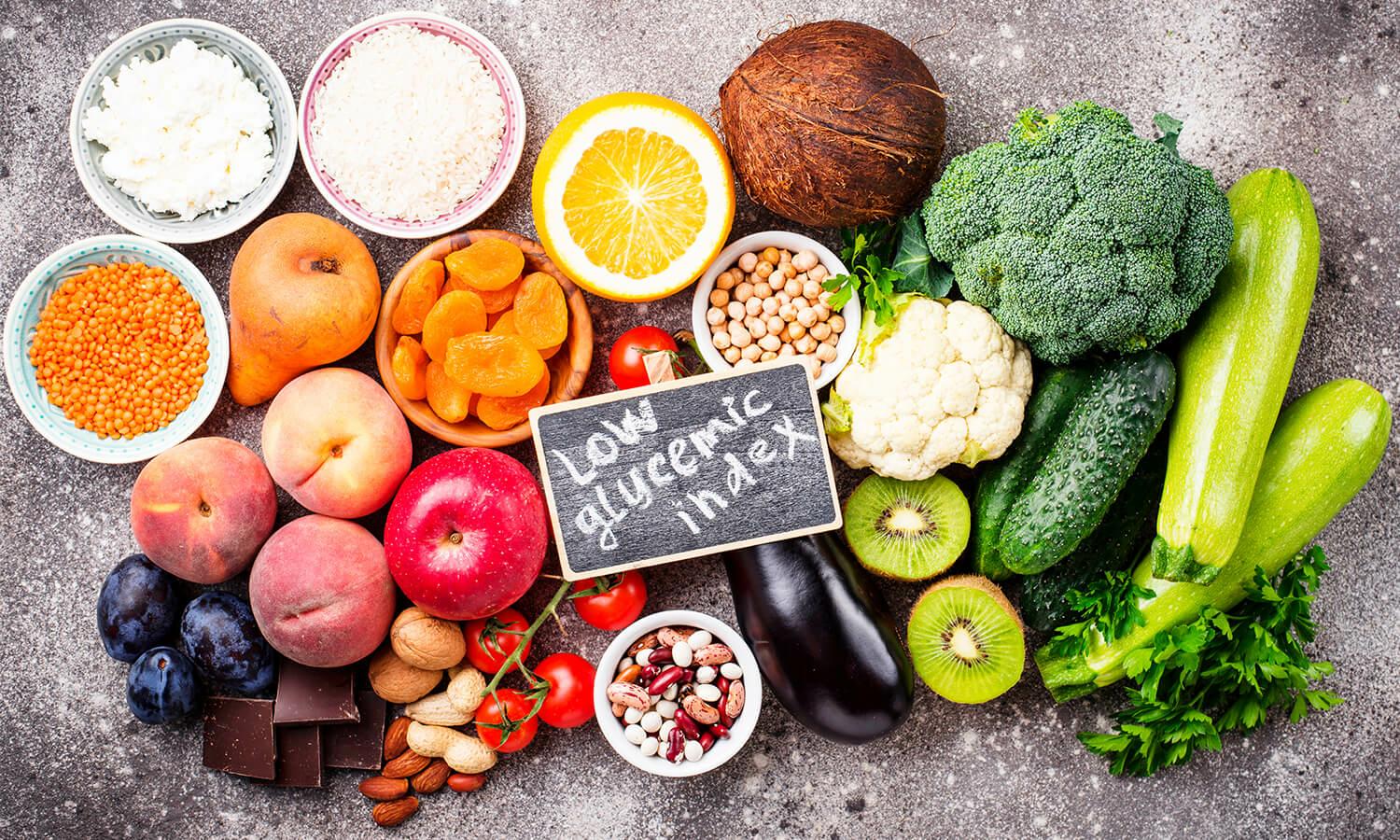
- Low GI: 0–55 (e.g., leafy vegetables, nuts, legumes)
- Medium GI: 56–69 (e.g., brown rice, whole grain pasta, dried fruits)
- High GI: 70–100 (e.g., white bread, boiled potatoes, sweets)
GI is calculated based on the body’s response to consuming 50 g of carbohydrates from a specific product. This means portion size is not considered—which can lead to misinterpretations. For example, watermelon has a high GI (about 76), but contains few carbohydrates per standard serving, so its actual impact on blood sugar is small.
What Is Glycemic Load?
Glycemic load (GL) is a measure that accounts for both the GI and the amount of carbohydrates in a serving. This makes it a more accurate reflection of a food’s real impact on blood glucose levels.
Take carrots as an example. Their GI is around 71, which might suggest they raise blood sugar quickly. However, a typical serving (about 80 g) contains only 7 g of carbohydrates. So their GL is just 5—indicating they don’t significantly affect blood sugar.
Glycemic Load Scale:
- Low GL: 0–10 (e.g., nuts, most vegetables)
- Medium GL: 11–19 (e.g., brown rice, fruits)
- High GL: 20+ (e.g., white rice, sweets)
How to Calculate Glycemic Load
Calculating GL is simple. You just need to know the glycemic index and the amount of carbohydrates in the serving.
Use the formula:
GL = (GI × amount of carbohydrates per serving) / 100
Example 1: Cooked carrots
GI: 71
Carbohydrates per serving: 7 g
GL = (71 × 7) / 100 = 5
Example 2: White rice
GI: 73
Carbohydrates per serving: 50 g
GL = (73 × 50) / 100 = 36
These examples show clearly that foods with similar GI values can have very different effects on blood glucose, depending on portion size and carb content. White rice raises blood sugar significantly more than carrots, even though their GI is similar.
Glycemic Index vs. Glycemic Load – Key Differences
You now know what GI and GL are. Here’s a summary of their main differences:
- GI measures the speed of blood sugar rise, but does not account for portion size.
- GL considers both the GI and the amount of carbs per serving, giving a more realistic view of a food’s impact.
- Two foods with the same GI can have different GL values depending on how many carbs they contain.
Who Should Monitor Glycemic Index and Load?
GI and GL are especially important for people with type 2 diabetes, insulin resistance, or other carbohydrate metabolism issues.
And that’s a lot of people. According to statistics, one in four people over the age of 60 in Poland has diagnosed diabetes. The true number may be higher due to undiagnosed cases. Estimates suggest that by 2030, over 10% of Poles will have diabetes. Insulin resistance affects anywhere from 10% to 30% of the population, depending on the group studied.
But GI and GL are also relevant for anyone who wants to maintain stable blood sugar levels.
Consuming high-GI and high-GL foods causes sharp glucose spikes followed by quick drops. In many people, this results in fatigue, hunger pangs, and, over time, contributes to insulin resistance.
Glycemic Index vs. Load – Which Is More Important?
If you have insulin resistance, type 2 diabetes, or other glucose metabolism issues, GL is the more practical indicator—it gives a realistic picture of how a food affects your blood sugar.
That said, GI is still useful. Choosing low-GI foods is generally a good idea because they tend to be more nutrient-dense and better at promoting satiety.
Do I Need to Calculate Glycemic Load?
Calculating GL does require some effort. But if you don’t have advanced type 2 or type 1 diabetes, it may be enough to estimate GL to know whether a product fits into your diet.
How to do it? Calculate GL for a while, and over time you’ll learn to estimate it by eye. This is important because calculating it every time you eat is practically impossible.
Glycemic Index, Load… or Something Else?
One more crucial point: you usually eat meals made up of different foods—not individual ingredients. That matters for both GI and GL.
Even foods with a high GI or GL can be balanced out when combined with other ingredients or prepared in the right way.
Example:
Eating a banana on its own may significantly raise blood sugar. But adding a handful of nuts or a serving of cottage cheese lowers both the GI and GL to safer levels.
How to Lower the Glycemic Index of a Meal
- Add protein and fat: e.g., eat whole grain bread with egg and avocado instead of just bread.
- Cook properly: e.g., al dente pasta has a lower GI than overcooked pasta.
- Store strategically: e.g., refrigerate cooked rice or grains—cooling changes the starch structure, forming resistant starch.
- Avoid over-processing: e.g., don’t drink smoothies too often—blending raises GI.
Stable Glucose Levels – Basic Principles
Both GI and GL help with managing blood sugar, but glycemic load is the more reliable metric.
If you want to keep your blood sugar stable but don’t want to calculate GL all the time, just follow a few simple rules. Avoid highly processed carbs that quickly raise glucose levels. Combine carbohydrates with protein and fat, and cook your meals properly. This mindful approach alone can improve your glucose control and how you feel.
And if you’re unsure how to plan a balanced diet that supports stable blood sugar, try Peater. The app will create a tasty and healthy meal plan tailored to your needs and preferences. A diabetes-friendly diet can help you feel better fast. Plus, you’ll get support from a clinical dietitian via a convenient online chat. See what else the Peater nutrition app has to offer.

Udostępnij ten artykuł