






 Powrót


High-Protein Diet – Who Is It For? Not Just for Athletes!
The high-protein diet has gained popularity primarily due to its use in sports, weight loss, and recovery support. Although it is most commonly associated with athletes and physically active individuals, it can be an effective nutritional tool for a wide range of people with specific health needs. Read on to find out who can benefit from a high-protein diet.
In this article, you will learn:
What is a High-Protein Diet?
A high-protein diet is characterized by an increased intake of protein in daily meals. The standard protein intake recommendation for adults is 0.9 g per kilogram of body weight per day. On a high-protein diet, this amount increases to 1.2–2.2 g per kilogram of body weight, depending on the individual’s goals and needs.
Key principles of the high-protein diet:
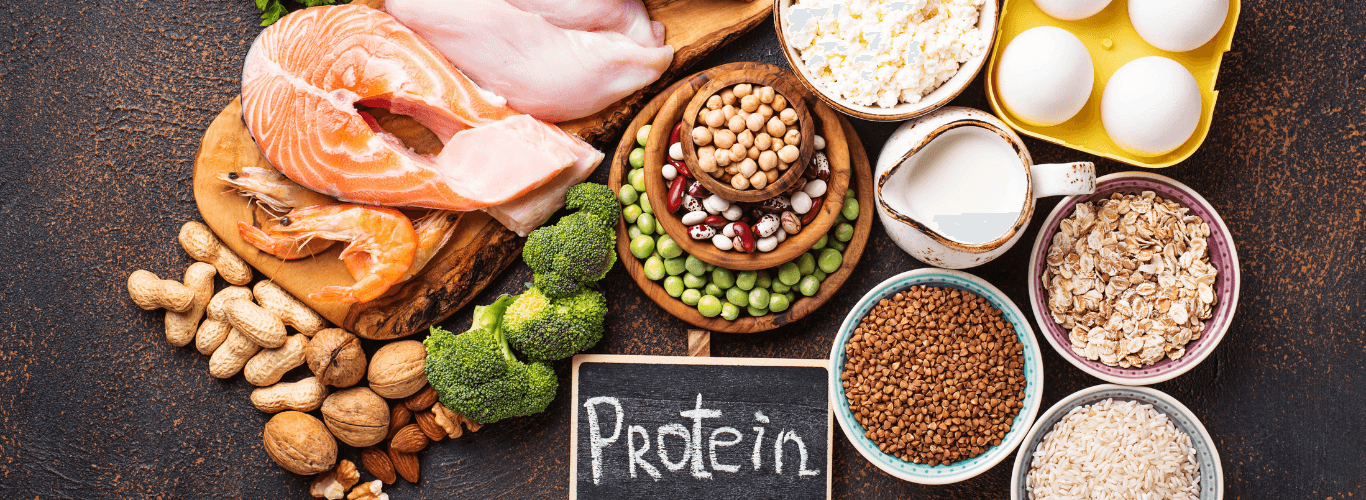
- Increased protein intake, mainly from animal sources (meat, fish, eggs, dairy) and plant sources (legumes, nuts, grains).
- Monitoring carbohydrate and fat intake to maintain proper calorie balance and meet energy needs.
- Ensuring adequate fiber, vitamin, and mineral intake, which is especially important with high protein consumption.
The Role of Protein in the Body
Protein performs many vital functions:
- It is the primary building block of tissues such as muscles, skin, hair, and nails.
- It aids in the repair of damaged cells and supports the growth of new ones.
- It participates in numerous metabolic processes and the synthesis of enzymes and hormones (e.g., insulin).
- It transports substances, such as oxygen via hemoglobin.
- It is essential for immune function, as antibodies are made of proteins.
- It helps regulate water and electrolyte balance by maintaining proper osmotic pressure.
- When carbohydrates are lacking, protein can be used as an energy source.
Who Can Benefit from a High-Protein Diet?
Although this diet is commonly associated with athletes, it can also be advantageous for many other groups, including:
- athletes and physically active individuals,
- people trying to lose weight,
- seniors,
- patients with certain health conditions.
Athletes and Physically Active Individuals
Protein requirements increase in active individuals, particularly those engaged in strength or endurance training. Protein helps:
- Build muscle – supplying amino acids, especially leucine, to support muscle protein synthesis.
- Support recovery – speeding up the repair of damaged muscles and connective tissue.
- Enhance performance – preventing muscle breakdown during intense training.
People on a Weight Loss Journey
A high-protein diet is effective for weight reduction because:
- It increases satiety – protein suppresses appetite more than carbohydrates or fat.
- It prevents muscle loss – during caloric deficit, protein protects muscle tissue from catabolism.
- It boosts metabolism – the thermic effect of protein (TEF) is higher than for other macronutrients.
Seniors
Older adults are at increased risk of sarcopenia, the loss of muscle mass and strength. A high-protein diet may:
- Reduce fall risk – by improving muscle strength.
- Prevent malnutrition – by preserving muscle tissue and supporting body weight maintenance.
Patients with Certain Medical Conditions
In some conditions, higher protein intake can alleviate symptoms or support recovery:
- Type 2 diabetes – high-protein diets help control blood glucose by reducing post-meal blood sugar spikes.
- Cancer – increased protein supports nutritional needs during treatment, especially when the body is weakened.
- Post-injury rehabilitation – protein speeds up recovery processes.
Why Do Athletes Need More Protein?
The association between high-protein diets and athletes is not coincidental. Athletes have specific nutritional needs due to intense training or competition. Higher protein requirements are due to:
- Muscle recovery – exercise causes micro-damage to muscle fibers that need repairing.
- Adaptation to training – protein supports muscle growth and strength gains.
- Extended physical activity – during prolonged exercise, the body may use amino acids for energy.
Protein plays a crucial role in building and repairing muscles, particularly important for strength and endurance athletes. Providing sufficient protein supports muscle protein synthesis and reduces the risk of muscle breakdown during intense training sessions. Regular protein intake, distributed across several meals a day, also aids muscle adaptation to increased training loads.
The type of protein consumed (preferably complete proteins) and timing (e.g., post-workout) significantly impact recovery and performance improvement.
Vegetarian Athletes
Vegetarian athletes can also achieve excellent results—provided their diet is properly balanced and provides adequate protein and essential nutrients. Although vegetarian diets exclude meat and often fish, there are many high-quality plant-based protein sources that meet athletes’ needs.
Top vegetarian protein sources include:
- legumes (lentils, chickpeas, beans),
- soy products (tofu, tempeh, soy milk),
- nuts and seeds,
- whole grains like quinoa and amaranth.
It’s important to note that plant proteins, unlike animal proteins, do not contain all essential amino acids in optimal proportions. To obtain a complete amino acid profile, vegetarian athletes should combine various protein sources—e.g., legumes with grains.
Protein requirements for vegetarian athletes may be slightly higher due to lower digestibility of plant proteins. Recommendations range from 1.4 to 2 g of protein per kilogram of body weight, depending on training intensity and goals.
A well-balanced vegetarian diet can also support recovery and reduce inflammation thanks to its high content of vegetables, fruits, and antioxidants. Regular consumption of a variety of plant foods helps maintain high energy levels and may reduce the risk of chronic diseases.
Potential Risks of a High-Protein Diet
Despite common concerns, high protein intake does not damage kidneys in healthy individuals. Research shows that healthy kidneys can process increased protein consumption without adverse effects. However, people with existing kidney disease, such as chronic kidney disease, should limit protein intake as directed by a physician.
For healthy individuals, it is crucial that a high-protein diet is balanced and includes adequate fiber, vitamins, and minerals. This ensures the body receives all essential nutrients, while potential side effects like constipation or digestive strain are minimized. Increased protein intake, as part of a healthy diet, may even support metabolic functions such as weight regulation or improved blood sugar control.
High-Protein Diet – Is It Right for You?
If you’re wondering who a high-protein diet is suitable for, the answer is: for any healthy person. It’s certainly not just for athletes. It can benefit people with certain diseases, older adults, or those trying to lose weight.
However, it should only be used by individuals with healthy kidneys. Otherwise, it must always be consulted with a doctor or clinical dietitian.
Want to benefit from a high-protein diet but don’t know how to implement it? Try Peater’s dietary plan. The high-protein menu is prepared by clinical dietitians who ensure the proper content of all nutrients. Peater’s diet is varied, tasty, and easy to prepare. All you need to do is cook and enjoy the positive effects of a high-protein lifestyle.
References:
- Phillips, S. M., & Van Loon, L. J. (2011). Dietary protein for athletes: from requirements to optimum adaptation. Journal of Sports Sciences, 29(S1), S29–S38.
- Pasiakos, S. M., Lieberman, H. R., & McLellan, T. M. (2014). Effects of protein supplements on muscle damage, soreness and recovery of muscle function and physical performance: a systematic review. Sports Medicine, 44(5), 655–670.
- Layman, D. K. (2009). Dietary guidelines should reflect new understandings about adult protein needs. Nutrition & Metabolism, 6(1), 1–7.
- Bauer, J., et al. (2013). Evidence-based recommendations for optimal dietary protein intake in older people: a position paper from the PROT-AGE Study Group. Journal of the American Medical Directors Association, 14(8), 542–559.
- Melina, V., Craig, W., & Levin, S. (2016). Position of the Academy of Nutrition and Dietetics: Vegetarian Diets. Journal of the Academy of Nutrition and Dietetics, 116(12), 1970–1980. https://doi.org/10.1016/j.jand.2016.09.025
- Hevia-Larrain, V., et al. (2021). Alternative Dietary Patterns for Athletes: Nutritional Considerations and Impact on Performance. Frontiers in Nutrition, 8, 692786. https://doi.org/10.3389/fnut.2021.692786

Udostępnij ten artykuł