





 Powrót


Gluten-Free Diet – Guidelines and Principles. How to Protect Yourself from Gluten?
Did you know that gluten can be found in cosmetics, toothpaste, or even the adhesive on envelopes? For individuals with celiac disease or gluten sensitivity, even trace amounts of this protein can be harmful. What are the key recommendations for a gluten-free diet? Which products should be avoided, and what should you pay attention to when shopping? Learn the most important gluten-free diet guidelines to help you safely eliminate gluten.
In this article, you will learn:
A gluten-free diet is an elimination diet that completely excludes grains that contain gluten. These include:
- Wheat,
- Rye,
- Spelt,
- Barley,
- Triticale,
- All other varieties of these grains.
Gluten has low nutritional value but is widely used in the food and baking industries. It plays a structural role – it gives dough its sticky, elastic texture.
Moreover, manufacturers use gluten as a carrier for flavors, spices, and additives in products such as ice cream, cold cuts, dairy products, sauces, spices, and even cosmetics.
Who Should Follow a Gluten-Free Diet?
A gluten-free diet is indicated for people with:
- Autoimmune diseases (e.g., celiac disease, gluten ataxia, dermatitis herpetiformis – the skin manifestation of celiac),
- Immunological conditions (e.g., wheat allergy, gluten allergy, baker’s asthma, wheat-dependent exercise-induced anaphylaxis),
- Disorders of unknown origin (non-celiac gluten sensitivity).
Research indicates that celiac disease – a genetically determined autoimmune gluten intolerance – affects about 1% of the population. Non-celiac gluten sensitivity is estimated to occur 5–6 times more frequently.
Strict adherence to a gluten-free diet is the primary treatment for these conditions. In celiac disease, even trace amounts of gluten must be avoided for life. In gluten sensitivity, restriction depends on the degree of intolerance.
Excluding gluten may also help in some other diseases, such as:
- Autoimmune and inflammatory disorders (e.g., Hashimoto’s thyroiditis),
- Neurological (e.g., schizophrenia, multiple sclerosis) and neurodevelopmental disorders (e.g., autism),
- Inflammatory bowel diseases and irritable bowel syndrome (IBS).
More and more people without medical indications are choosing to go gluten-free. Common motivations include pursuing a healthy lifestyle, weight loss, or improving digestive function. It’s also often related to alternative nutrition trends.
⚠️ A gluten-free diet is not recommended for healthy individuals. If you’re considering excluding gluten, consult a dietitian or doctor first.
What Does the Law Say About Gluten-Free Products?
According to EU regulations, a product may be labeled “gluten-free” if it naturally contains no gluten or the gluten content has been reduced to no more than 20 mg/kg.
Only food with less than 20 ppm gluten may carry the label “gluten-free” or the crossed grain symbol. This guarantees the product’s safety for people with celiac disease.
“May Contain Traces of Gluten” – What Does It Mean?
Sometimes product labels state “may contain traces of gluten” even if no gluten source is listed in the ingredients. This warning is used when production, packaging, or storage occurs on the same equipment as gluten-containing products.
Such products should not be consumed by people with celiac disease or gluten allergy, as even tiny amounts of gluten can trigger severe symptoms.
Gluten-Free Diet – Guidelines
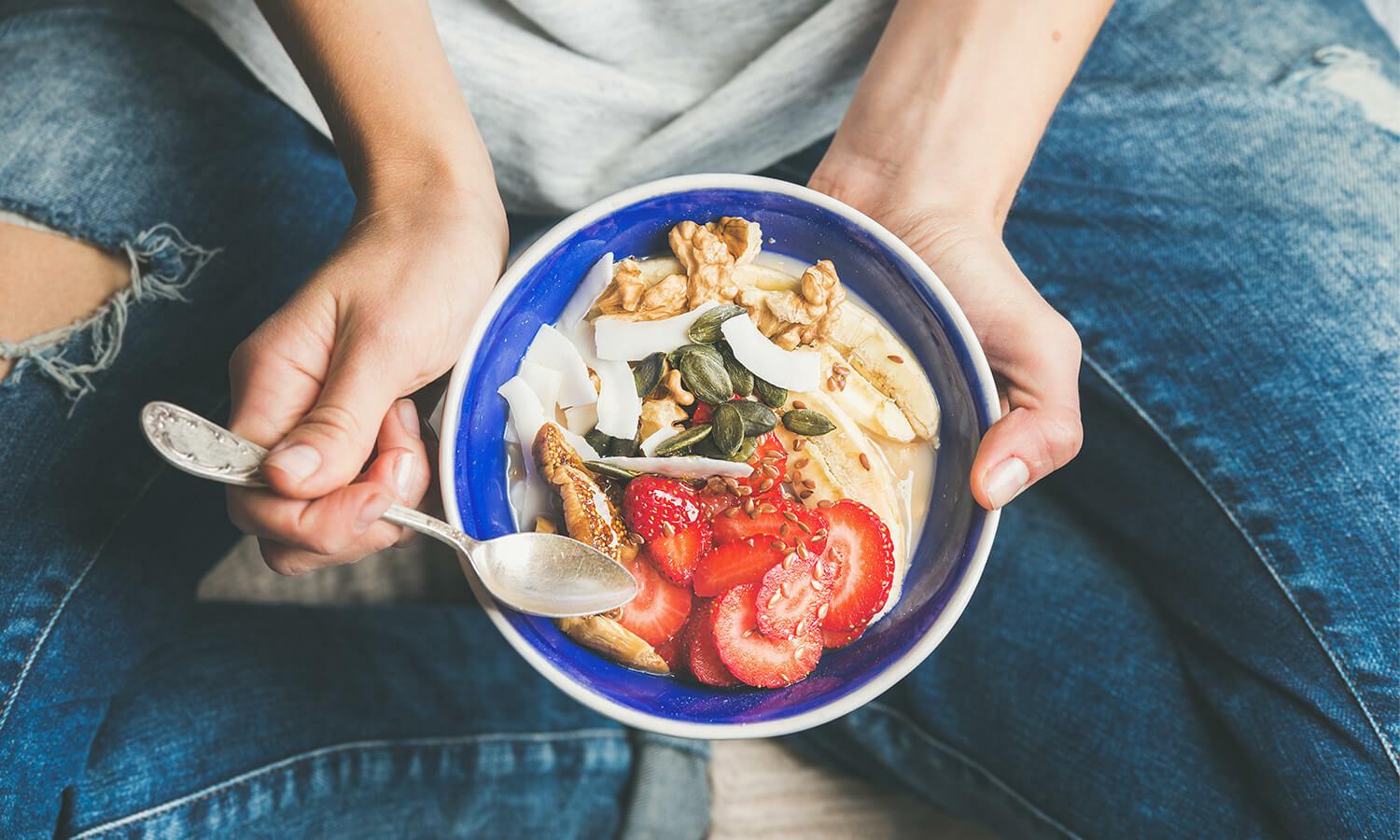
The gluten-free diet follows the principles of healthy eating. It is based on natural, unprocessed foods such as:
- Vegetables and fruits,
- Eggs,
- Dairy products,
- Legumes,
- Meat and fish,
- Nuts,
- Plant-based fats,
- Naturally gluten-free grains (millet, buckwheat, tapioca, amaranth, corn, cassava, rice, sorghum, quinoa, teff).
All sources of gluten should be excluded:
- Wheat and its varieties (durum, kamut, spelt),
- Barley,
- Rye,
- Triticale.
⚠️ Gluten can also be found in:
- Groats (e.g., oat, bulgur, semolina, barley),
- Bread and rolls,
- Pastries,
- Crispbread,
- Pasta,
- Bran,
- Breakfast cereals,
- Grain coffee,
- Muesli,
- Some alcoholic beverages (beer, whisky, bourbon, gin).
Consumer demand has led to an increasing range of gluten-free products: gluten-free pasta, groats, bread, and even beer are now widely available.
Read Food Labels Carefully
Gluten is widely used in food processing, so it’s crucial to read ingredient lists and labels carefully.
Be particularly cautious when buying:
- Ready-made sauces,
- Yogurts,
- Seasonings,
- Cold cuts,
- Sausages,
- Prepared meals,
- Canned meat or fish,
- Sweets,
- Salty snacks.
Current regulations require that all major allergens, including gluten, be highlighted (e.g., bold font) and displayed clearly on the label.
Even minimal amounts of allergenic ingredients must be declared if used during production.
Be on the lookout for:
- Wheat or durum wheat (semolina),
- Modified starch: E-1404, E-1410, E-1412–1414, E-1420, E-1442, E-1450–1451,
- Wheat germ,
- Different types of wheat flour,
- Barley malt,
- Wheat fiber.
Processed Gluten-Free Foods – Eat Them Occasionally
The market for ready-made gluten-free products is growing rapidly. They often use corn, rice, or gluten-free wheat starch as a base.
However, these products tend to have low nutritional value and should be consumed in moderation. They are typically:
- Highly processed,
- Low in fiber, vitamins, and minerals,
- High in sugar and artificial additives.
If you eliminate gluten but rely heavily on processed foods, you risk nutritional deficiencies – especially in fiber, B vitamins (notably B9 and B12), and minerals like manganese, zinc, copper, iron, calcium, and selenium.
To avoid this, prioritize naturally gluten-free grains in your diet. Highly nutritious choices include amaranth, millet, buckwheat, and quinoa. Nuts, seeds, and dried fruits are also rich in essential nutrients.
Hidden Sources of Gluten
Gluten is now used in many non-food products, such as cosmetics, toothpaste, and adhesives (e.g., on stamps and envelopes).
It can also be found in medications, where it may serve as a coating or filler (e.g., wheat flour or starch).
Take extra care when preparing food:
- Do not share cutting boards, utensils, sieves, or plates with others who consume gluten,
- Avoid using the same butter, jams, spreads, or sandwich fillings – they may be contaminated with gluten-containing crumbs,
- Do not fry gluten-free foods in oil previously used to fry gluten-containing items.

Udostępnij ten artykuł