





 Powrót


Diabetic Diet – Meal Composition Rules and the Glycemic Index
A well-structured nutritional plan that stabilizes blood glucose levels is the foundation of type 2 diabetes management. The principles of a diabetic diet are based not only on limiting sugar but, most importantly, on properly composing meals. What else should a person with diabetes pay attention to in their diet? Learn which foods to choose and how to lower their glycemic index.
In this article, you will learn:
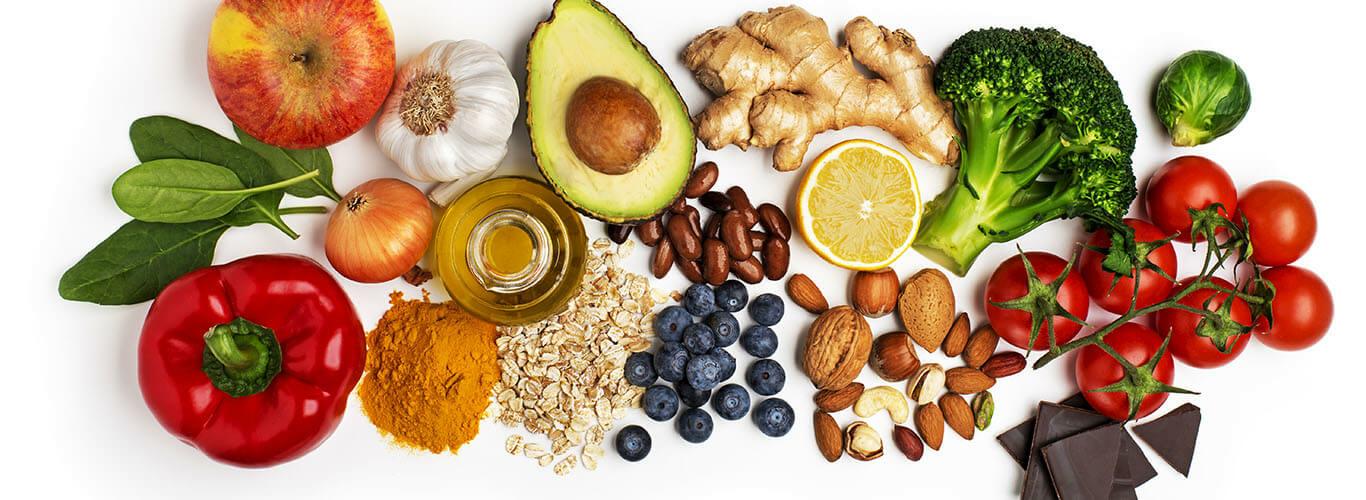
The Role of Diet in Type 2 Diabetes
Diet plays a central role in managing type 2 diabetes. In many cases, combined with physical activity, it helps avoid the need for medication.
The main goal is to stabilize carbohydrate metabolism. Properly balanced meals and regular eating patterns help maintain steady blood glucose levels and prevent fluctuations.
In addition, supplying the body with adequate macronutrients, vitamins, and minerals benefits overall health by:
- reducing the risk of other lifestyle diseases (e.g., hypertension, atherosclerosis),
- decreasing inflammation,
- supporting healthy cholesterol levels,
- significantly lowering the risk of some cancers.
Following dietary guidelines and monitoring glucose levels lowers the risk of complications like retinopathy, neuropathy, and nephropathy (damage to eyes, nerves, and kidneys).
Diabetic Diet – What to Eat?
A diabetes diagnosis requires dietary habit changes.
The diabetic diet is a modified version of a classic healthy diet and can be safely followed by healthy individuals as well. It provides all essential nutrients without risking deficiencies.
Key rules include:
1. Eat Regularly
Have 4–5 meals daily, spaced every 3–4 hours: 3 main meals and 1–2 snacks.
2. Choose the Right Type and Amount of Carbohydrates
People with diabetes shouldn’t avoid carbohydrates. In fact, they should make up 45–60% of daily energy intake. The key lies in choosing the right sources, such as:
- whole grain breads (rye, whole grain, graham),
- cereals (oat, buckwheat),
- grains (buckwheat, barley, spelt, quinoa).
These are high in fiber, which slows glucose release into the bloodstream, reducing spikes.
Avoid sources of simple sugars like sugar, honey, fructose, candy bars, cookies, baked goods, pretzels, and crackers.
3. Base Your Diet on Vegetables
Vegetables should make up half of your plate (for everyone, not just diabetics). Aim for 500–600 g of vegetables daily, mostly raw.
They increase satiety and are rich in bioactive compounds, vitamins, and minerals.
4. Choose High-Quality Protein
Include:
- low-fat dairy (cottage cheese, natural yogurt, kefir, buttermilk),
- skinless poultry,
- fish (cod, pollock, salmon, tuna, sole, pike-perch, halibut), especially fatty sea fish,
- legumes (lentils, peas, beans, chickpeas).
5. Replace Animal Fats with Plant-Based Ones
Animal fats are high in saturated fatty acids, which raise cardiovascular risk.
Limit butter, lard, fatty sausages, and red meat. Use plant oils like olive oil, rapeseed, flaxseed, or sunflower oil.
6. Combine Fruits with Protein or Fat
Limit fruit to 1–2 servings daily. Don’t eat fruit alone due to their sugar content and rapid glucose spikes.
Combine with nuts or yogurt to slow digestion and glucose absorption.
7. Drink Plenty of Fluids
Mineral water should be your primary beverage. You may also drink unsweetened herbal, fruit, or black teas.
Up to 3 cups of black coffee a day (about 300 mg caffeine) is also fine.
Avoid sugary juices and soft drinks entirely.
8. Use Proper Cooking Techniques
Overcooking increases the glycemic index (GI). Cook grains and vegetables until al dente and avoid pureeing.
For example, eat whole boiled potatoes instead of mashed or a whole apple instead of a smoothie.
Avoid deep-frying. Opt for boiling, baking, grilling, or braising without pre-frying.
9. Avoid Sugar Substitutes
Though many sweeteners have no calories and should not affect blood sugar, some studies suggest they may still stimulate insulin secretion by activating sweet taste receptors.
It’s safest to stop using them altogether.
Try to retrain your taste buds to avoid sweetness—it often takes just 2–3 weeks. If cravings persist, reach for fruit paired with yogurt or nuts.
10. Avoid Alcohol
Alcohol inhibits glucose synthesis in the liver and can lead to hypoglycemia.
It’s especially risky for people with lipid disorders, pancreatitis, or liver disease.
If you do drink, never do so on an empty stomach.
Glycemic Index (GI)
The glycemic index indicates how carbohydrate-containing foods affect blood sugar levels.
Low-GI foods cause slower, more stable glucose rises. High-GI foods cause rapid spikes.
GI classification:
- Low (<50): vegetables, certain fruits (berries, citrus, apples, plums), nuts, plain dairy, meat, fish, eggs, fats.
- Medium (55–70): whole grains (buckwheat, barley, millet, spelt, oats), brown rice, wholegrain rye bread.
- High (>70): sugar, pastries, candy, beer.
Factors affecting GI:
- Type and content of carbs: complex carbs have lower GI than refined grains or simple sugars.
- Ripeness: the riper the fruit/vegetable, the higher the GI due to increased sugar content.
- Processing: chopping, grinding, or blending raises GI.
- Cooking: overcooking raises GI; al dente is preferred.
- Storage temperature: cooling cooked rice/pasta turns some starch into resistant starch, lowering GI.
- Other ingredients: fat, fiber, and protein lower GI.
Meal Composition in a Diabetic Diet
When meals are properly composed, even higher-GI foods can sometimes be included.
To reduce a meal’s glycemic index and glycemic load:
- Half the plate should be vegetables, ¼ complex carbs, and ¼ protein.
- Snacks should be balanced and avoid glucose spikes followed by insulin surges and crashes.
- Never eat simple carbs alone—always add protein or fat to slow digestion.
- If you drink smoothies, base them on low-fat dairy for protein and add flaxseeds, chia, or nuts to lower the GI.
Physical Activity and Diabetes
Glucose is the body’s main energy source, especially for muscles.
Regular exercise lowers blood glucose and improves glycemic control. It also:
- improves insulin sensitivity,
- strengthens the heart,
- enhances lipid profile,
- aids weight loss, particularly body fat reduction.
Choose physical activity suited to your health status and ability level. Always consult a doctor or physiotherapist before starting.
If you are overweight, go for low-impact options like swimming, walking, cycling, or elliptical training.
As your fitness improves, you can move to more intensive activities like running or group fitness classes.

Udostępnij ten artykuł