





 Powrót


Diet in Hashimoto’s Disease – What to Eat and What to Avoid
A well-structured diet is one of the most important elements in the treatment of Hashimoto’s disease. Proper nutritional principles help reduce thyroid inflammation and support its function. Read on to learn why it’s worth including low glycemic index foods and those rich in polyunsaturated fatty acids in your diet.
In this article, you will learn:
What is Hashimoto’s disease?
Hashimoto’s is classified as an inflammatory autoimmune disease. It leads to thyroid gland failure and consequently insufficient hormone production.
Treatment includes:
- use of synthetic hormones,
- proper nutrition,
- physical activity.
The Role of Diet in Hashimoto’s
There is increasing discussion about the important role of diet in Hashimoto’s disease. Nutrition can:
- improve the absorption of medications,
- reduce inflammation, thus slowing the destruction of thyroid tissue,
- alleviate disease symptoms,
- help control body weight.
Meeting the body’s needs for all macro- and micronutrients ensures proper metabolic processes. The most crucial minerals here are iron, zinc, and selenium. These are components of enzymes involved in thyroid hormone metabolism. A well-balanced intake also affects well-being and helps prevent long-term complications of the disease.
General Dietary Guidelines in Hashimoto’s
Available scientific papers and articles often present differing views on nutrition in Hashimoto’s disease, leaving many patients unsure about the best dietary approach.
It’s important to emphasize that a diet for those with Hashimoto’s should be based primarily on general healthy eating guidelines, with some beneficial modifications described below.
Increased Protein Intake
If you have Hashimoto’s, increase your protein intake to about 25% of total energy needs. High-quality protein sources include lean poultry, eggs, and legumes.
Pay special attention to foods rich in tyrosine, an amino acid involved in thyroid hormone synthesis. These include:
- dairy products,
- peas,
- lentils,
- pork,
- beef,
- tuna,
- pumpkin seeds,
- wheat germ,
- flaxseed.
Low Glycemic Index (GI) Foods
Hashimoto’s often coexists with glucose metabolism disorders like type 2 diabetes, insulin resistance, or hyperinsulinemia. A low-GI diet can reduce these symptoms.
The glycemic index indicates how much a food raises blood glucose levels and the resulting insulin response. Choose foods with a GI below 55, such as:
- whole grains (buckwheat, barley, brown rice, whole grain pasta, quinoa),
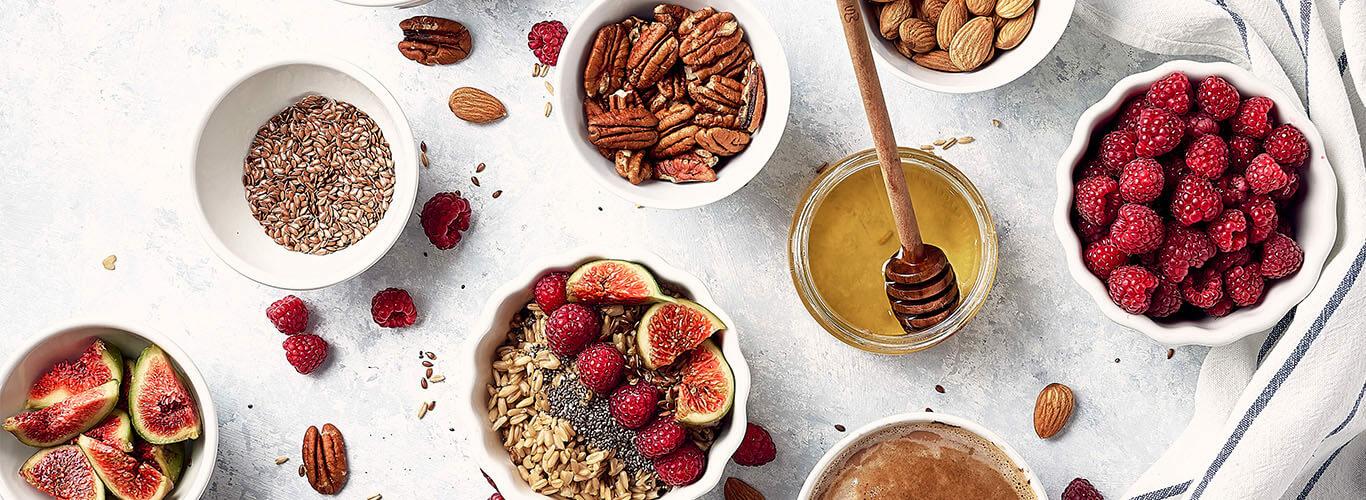
- low-sugar fruits (especially berries: strawberries, blueberries, currants, raspberries),
- vegetables.
Such foods help stabilize blood glucose and reduce post-meal fatigue.
Dietary Fiber
Due to slowed intestinal motility in many Hashimoto’s patients, adequate fiber intake is crucial. Fiber supports digestive function and nourishes the gut microbiota, which in turn influences immune system function.
Eat:
- whole grain cereals,
- high-quality wholemeal bread,
- vegetables and fruits,
- seeds and nuts.
Polyunsaturated Fatty Acids
Ensure sufficient intake of omega-3 and omega-6 fatty acids, known for their anti-inflammatory properties and role in slowing thyroid tissue damage. These must come from the diet, as the body cannot synthesize them.
Include:
- at least two servings of fish per week (salmon, herring, cod, halibut, sardines, mackerel, pike-perch),
- plant oils (canola, sunflower, flaxseed, olive oil),
- nuts and seeds.
Antioxidants and Anti-inflammatory Foods
Antioxidants prevent oxidation, neutralize free radicals, protect against oxidative stress, and slow aging processes. In Hashimoto’s, they reduce inflammation and may limit fibrosis of thyroid tissue.
Key antioxidants include vitamins A, C, and E and bioactive compounds (e.g., polyphenols, catechins), found mostly in deeply colored fruits and vegetables.
Anti-inflammatory foods are particularly important due to the inflammatory nature of the disease. Focus on:
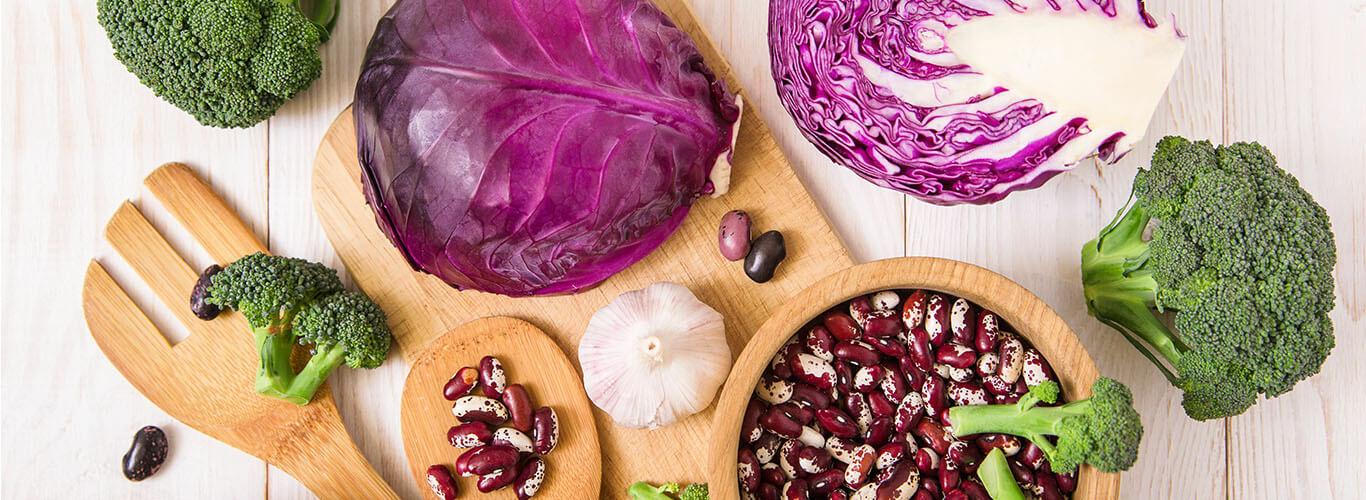
- vegetables (broccoli, cabbage, spinach, kale, tomatoes),
- fruits (blueberries, blackberries, raspberries, strawberries, dark grapes),
- fish (mackerel, herring, halibut, sole, cod),
- nuts (walnuts, flaxseeds).
Elimination of Highly Processed Foods
This should be a cornerstone of any healthy diet. Avoid ready-made meals and products with long ingredient lists full of unfamiliar names.
Also avoid products where sugar or fat is listed among the first three ingredients. Watch for saturated fat content, which can increase inflammation, worsen lipid profiles, and raise cardiovascular disease risk.
Antinutrients
There’s a widespread belief that people with Hashimoto’s should avoid foods rich in antinutrients, such as:
- goitrogens,
- isoflavones,
- thioglycosides,
- trypsin and chymotrypsin inhibitors.
These compounds may hinder vitamin/mineral absorption and interfere with thyroid function—but only if consumed in very large quantities.
They are mainly found in soy, cruciferous vegetables, legumes, and some grains. Since consuming several kilograms daily is unrealistic, they are generally not harmful in moderation—especially when cooked, which reduces their content.
So, eat cruciferous vegetables, soy, and legumes in moderation and always cooked. Limited consumption is unlikely to negatively affect thyroid function.
Autoimmune Protocol (AIP)
Recently, many people with autoimmune conditions have adopted the Autoimmune Protocol (AIP)—a restrictive diet eliminating immune-stimulating and lectin-rich foods.
AIP excludes grains, dairy, legumes (including nuts and seeds), eggs, and nightshades (e.g., potatoes). The diet emphasizes vegetables, fruits, meat, fish, seafood, and root vegetables like sweet potatoes.
Research on AIP’s effectiveness is limited. One study showed reduced inflammation in Hashimoto’s patients, but no change in thyroid markers like antibody levels, TSH, T3, or T4.
Weight Reduction Diet
People with Hashimoto’s who are also overweight should implement a caloric deficit—consuming fewer calories than they expend.
However, the energy value of the diet should not drop below the body’s basic requirements for vital functions (e.g., body temperature regulation, breathing, heart function).
A mild caloric deficit leading to a weekly weight loss of 0.5–1% of initial body weight is ideal. Gradual weight loss helps prevent the yo-yo effect and nutrient deficiencies that may occur with very low-calorie diets.
Physical activity is also essential—not just workouts like gym, fitness classes, or running, but also daily movement: walking instead of driving, using stairs instead of elevators, getting off the bus one stop early, etc.
Important Minerals in Hashimoto’s
The diet should meet the body’s needs for all vitamins and minerals. However, some elements should be monitored more closely in Hashimoto’s disease, including:
- Zinc,
- Selenium,
- Iron,
- Iodine.
Zinc
Zinc is crucial because it helps build thyroid hormone receptors and supports T4-to-T3 conversion. It’s also essential for immune system function.
Sources:
- seafood,
- pumpkin seeds,
- almonds,
- sesame seeds,
- cocoa,
- wild rice,
- buckwheat.
Selenium
Selenium is part of selenoprotein enzymes that influence thyroid hormone metabolism. It also regulates the immune response, reduces production of pro-inflammatory compounds (like leukotrienes and prostaglandins), and limits thyroid fibrosis.
Sources:
- fish and seafood (tuna, salmon, oysters),
- meat,
- dairy,
- eggs,
- buckwheat,
- brown rice,
- sunflower seeds,
- Brazil nuts.
Iron
Iron is a component of iodide peroxidase, an enzyme that helps convert thyroglobulin into T4 and T3.
There are two types: heme iron (from animals, better absorbed) and non-heme iron (from plants, less bioavailable). Absorption of non-heme iron improves when consumed with vitamin C-rich foods (e.g., peppers, parsley, kale, broccoli, Brussels sprouts, citrus fruits).
Plant sources of iron include:
- grains,
- legumes,
- Swiss chard,
- beets,
- green peas,
- parsley,
- pumpkin seeds.
Iodine
Iodine is one of the key elements necessary for the proper functioning of the thyroid gland, as it is a building block of thyroid hormones. However, excessive intake may stimulate the immune system and increase the production of thyroid autoantibodies in individuals with autoimmune thyroiditis.
Therefore, it is important to maintain a balanced iodine intake — neither deficient nor excessive. For this reason, supplementation should only be considered under the supervision of a healthcare professional and only in cases of confirmed deficiency.
Good sources of iodine include:
- sea fish and seafood,
- iodized salt (used in moderate amounts),
- dairy products,
- seaweed (occasionally and in controlled amounts).
Be cautious with supplements and foods with very high iodine content, such as certain types of kelp (e.g., kombu), which can contain several thousand micrograms of iodine per gram.
Summary
Diet plays an important role in managing Hashimoto’s thyroiditis. A properly composed diet can help reduce inflammation, alleviate symptoms, and support the function of the thyroid gland and the immune system.
Key dietary principles include:
- increasing protein intake,
- choosing foods with a low glycemic index,
- consuming adequate fiber,
- including anti-inflammatory omega-3 fatty acids and antioxidants,
- limiting processed foods and refined sugars,
- being mindful of substances that may impair nutrient absorption (e.g., goitrogens),
- ensuring sufficient — but not excessive — intake of essential minerals like zinc, selenium, iron, and iodine.
Additionally, in some cases, specialized approaches such as the Autoimmune Protocol (AIP) or a reduction diet may be considered, though these should always be implemented with professional guidance.
A balanced, anti-inflammatory, nutrient-dense diet — adapted to your individual health status — remains the cornerstone of effective support in Hashimoto’s disease.
Udostępnij ten artykuł