




 Powrót


Is a High-Protein Diet Healthy? The Pros and Cons of Consuming Large Amounts of Protein
High-protein diets have been popular for many years, especially among individuals aiming to lose weight, build muscle mass, or improve overall health. Increasing protein intake affects metabolism, satiety levels, and the body’s ability to recover. However, a well-balanced high-protein diet must take into account not only protein sources but also the proportions of other macronutrients – fats and carbohydrates.
In this article, you will learn:
The Role of Protein in the Body
Protein primarily serves a structural function, acting as the building block for tissues and organs. Structural proteins such as collagen, elastin, and keratin contribute to:
- Skin resilience,
- The structure and elasticity of bones, cartilage, tendons, and ligaments,
- The regeneration of hair and nails.
Protein deficiency can lead to muscle wasting, weakened immune response, edema, and stunted growth and development in children.
Proteins are essential for regulating metabolic processes through enzymes that catalyze chemical reactions in the body. Digestive enzymes like amylase and lipase help break down food.
Protein also plays a vital role in transporting substances throughout the body. Hemoglobin transports oxygen, while albumins and lipoproteins carry hormones, vitamins, and lipids.
Hormonal regulation is another key function. Protein-based hormones like insulin and glucagon control blood sugar levels and the metabolism of other nutrients.
Proteins also support immune function. Antibodies (immunoglobulins) protect the body against infections by attacking pathogens such as bacteria and viruses.
Additionally, proteins help maintain the body’s acid-base and osmotic balance. Hemoglobin acts as a buffer to stabilize blood pH, and plasma albumin regulates osmotic pressure, preventing edema.
While protein is not the body’s primary energy source, it can serve as fuel during carbohydrate and fat shortages, providing 4 kcal per gram.
How Much Protein Should You Eat?
Protein requirements vary based on age, body weight, physical activity, and health status. For the average adult, the recommended intake is about 0.8–1 g of protein per kilogram of body weight. Physically active individuals, athletes, and older adults may need more.
In a high-protein diet, daily protein intake usually ranges from 1.6 to 2.2 g per kilogram of body weight.
EXAMPLE:
A person weighing 70 kg should consume 112 to 154 g of protein per day.
Sample meal plan to meet this requirement:
- Breakfast: 3 eggs (21 g protein),
- Snack: Greek yogurt (15 g protein),
- Lunch: 200 g chicken (46 g protein),
- Dinner: 150 g salmon (30 g protein),
- Post-workout shake: protein powder (25 g protein).
This structure provides a steady protein intake throughout the day. Meals should also include carbohydrate and fat sources, such as rice, pasta, potatoes, bread, oil, or butter.
In some cases – such as intense strength training or muscle building – intake may go up to 2.5 g/kg of body weight.
It is crucial to personalize protein intake based on weight, activity level, and health goals.
What to Eat on a High-Protein Diet
In a typical diet, protein provides about 10–15% of total energy intake. In a high-protein diet, this increases to 25–35%, or even more, depending on individual goals.
A key element is choosing a variety of protein sources, both animal- and plant-based, to ensure balanced nutrition.
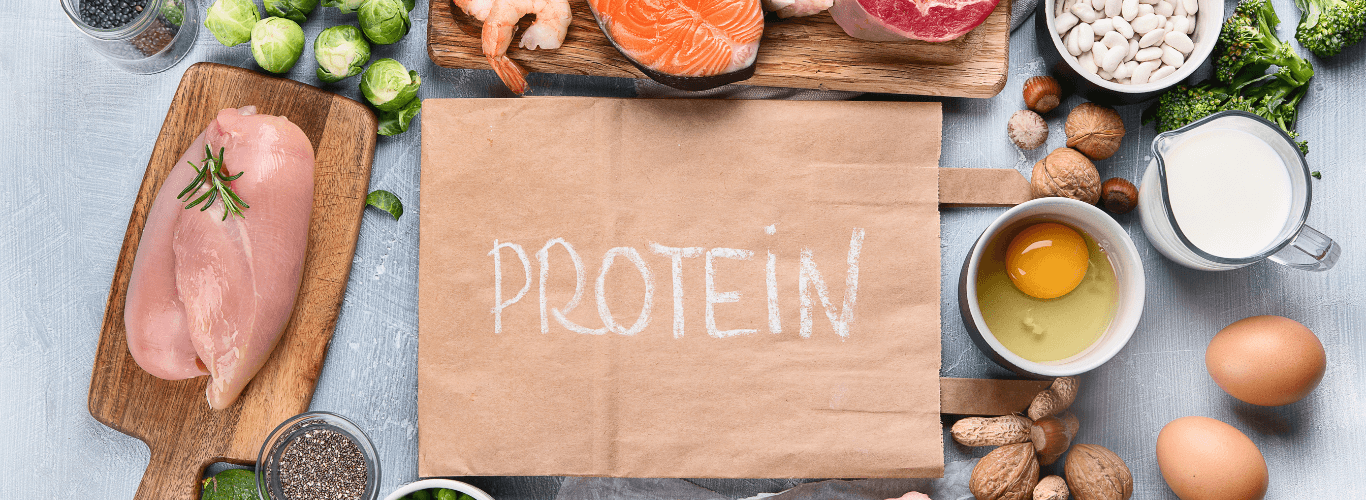
Common protein-rich foods include:
- Meat: poultry (chicken, turkey), beef, pork,
- Fish and seafood: salmon, tuna, cod, shrimp,
- Eggs: especially egg whites,
- Dairy: cottage cheese, Greek yogurt, milk,
- Plant-based sources: lentils, chickpeas, tofu, tempeh, seitan,
- Protein supplements: whey, casein, and plant proteins (e.g., pea or rice).
High-Protein Diets and Macronutrient Balance
High-protein diets can vary – from moderate carbohydrate reduction to strict low-carb versions.
Fats remain essential, even in high-protein diets, as they provide energy and support the absorption of fat-soluble vitamins (A, D, E, K). Choose high-quality fats such as:
- Unsaturated fats: olive oil, flaxseed oil, avocado, nuts, chia seeds,
- Fish-derived fats: omega-3s from fatty fish like salmon, mackerel, herring.
Avoid trans fats found in processed foods like margarine, fast food, and industrial sweets.
Benefits of a High-Protein Diet
Is a high-protein diet healthy? The answer depends on individual circumstances. For most healthy individuals, it can offer numerous benefits.
Satiety and Weight Control
Protein has the highest thermic effect of food (TEF), meaning it takes more energy to digest than fats and carbs. Studies show that high-protein diets can:
- Increase satiety by raising hormones like peptide YY and GLP-1,
- Decrease appetite and total daily caloric intake,
- Support weight loss, especially when combined with a caloric deficit.
Muscle Growth and Recovery
Protein is essential for muscle protein synthesis. A high-protein diet supports post-exercise recovery and helps build muscle mass, particularly when paired with resistance training.
Bone Health
Diets rich in protein, especially from dairy, may improve calcium absorption and support bone health.
Drawbacks of a High-Protein Diet
Some people are hesitant to try a high-protein diet. Are their concerns valid?
Kidney Damage Is a Myth
A common misconception is that high-protein diets damage the kidneys. Research shows that in healthy individuals, high protein intake does not impair kidney function. However, those with pre-existing kidney disease should limit protein intake.
Risk of Nutritional Deficiencies
High-protein diets are often low in carbohydrates, which may result in:
- Low fiber intake, leading to digestive issues,
- Reduced intake of vitamins and minerals typically found in plant-based foods.
Effects on Gut Microbiota
Animal-based high-protein diets may alter the composition of gut microbiota by increasing proteolytic bacteria, which may contribute to inflammation.
To minimize these effects, it’s recommended to increase dietary fiber intake from vegetables, fruits, whole grains, and legumes. Fiber supports the growth of beneficial gut bacteria that counteract potential downsides of excess protein.
Is a High-Protein Diet Healthy?
A high-protein diet offers many advantages, including improved satiety, support for weight loss, and muscle growth.
However, it should be followed mindfully, ensuring adequate intake of carbohydrates, fiber, and healthy fats. People with kidney conditions or gut issues should proceed with caution.
So, is a high-protein diet healthy? Yes – provided it is well-balanced and tailored to individual needs. When macronutrients are proportioned properly and the diet is varied, it poses no health risks.
If you’re considering switching to a high-protein diet and want it to be healthy and nutritious, check out Peater’s meal plan. Our dietitians have created a plan full of delicious recipes, easy preparation, and impressive health benefits!
References:
- Jarosz M, Nutrition Standards for the Polish Population and Their Application, National Institute of Public Health – National Institute of Hygiene, 2020, p. 58.
- Phillips, S. M., & Van Loon, L. J. C. (2011). Dietary protein for athletes: From requirements to metabolic advantage. Appl Physiol Nutr Metab, 36(6), 647–654.
- van der Klaauw AA et al. (2013). High protein intake stimulates postprandial GLP1 and PYY release. Obesity, 21(8), 1602–7.
- Pesta, D. H., & Samuel, V. T. (2014). A high-protein diet for reducing body fat: Mechanisms and possible caveats. Nutr Metab, 11(1), 53.
- Poortmans, J. R., & Dellalieux, O. (2000). Do regular high protein diets have potential health risks on kidney function in athletes? Int J Sport Nutr Exerc Metab, 10(1), 28–38.
- Wu, G. (2016). Dietary protein intake and human health. Food Funct, 7(3), 1251–1265.
- Phillips, S. M. (2017). Current concepts and unresolved questions in dietary protein requirements and supplements in adults. Front Nutr, 4, 13.
- Cribb, P. J. et al. (2007). A review of critical physiological and performance issues in high-protein diets. Sports Med, 37(8), 683–692.
- Sakkas, H., & Karamanakos, G. (2019). High-protein diets and kidney function: A literature review. Clin Nutr, 38(1), 10–22.
- Antonio, J. et al. (2016). A high protein diet has no harmful effects: A one-year crossover study. J Nutr Metab, 2016, 9104792.
- Pencharz, P. B., & Elango, R. (2008). Protein requirements of healthy humans. Eur J Clin Nutr, 62(2), 163–167.

Udostępnij ten artykuł