




 Powrót


Diet in Insulin Resistance – What Not to Eat with Insulin Resistance? (Do I Really Have to Give Up Everything?)
Insulin resistance is a condition that often raises many questions and concerns, especially regarding diet. Does it mean giving up your favorite foods? Is the list of forbidden products long and restrictive? What should you avoid eating if you have insulin resistance? Let’s find out the truth!
In this article, you will learn:
What is insulin resistance?
Insulin resistance is a metabolic disorder characterized by reduced sensitivity of the body’s cells to insulin.
How does it happen?
The insulin receptors on the cells don’t respond properly to insulin. As a result, glucose is not effectively transported into the cells, leading to elevated blood sugar levels (hyperglycemia). In response, the pancreas increases insulin production, causing hyperinsulinemia (excess insulin in the blood).
In the past, insulin resistance was often overlooked, as it doesn’t cause immediate serious symptoms. It’s also not classified as a distinct disease. This view has changed over the last few decades, as researchers realized its crucial role in the development of chronic conditions like type 2 diabetes, hypertension, and atherosclerosis.
Diet in Insulin Resistance – Key Principles
A diet for insulin resistance doesn’t have to be full of restrictions. The key is making a few strategic changes to help your body respond better to insulin and maintain stable blood sugar levels.
Regular meals – why are they so important?
Eating at irregular times, long gaps between meals, and sudden overeating can worsen insulin resistance. Aim to eat every 3–4 hours to avoid spikes in blood sugar and insulin.
In practice:
- If you struggle with breakfast, try a light meal, like cottage cheese with veggies.
- Don’t wait until you’re extremely hungry – this often leads to unhealthy snacking.
- Aim for 3 main meals (breakfast, lunch, dinner) and 1–2 healthy snacks in between.
Choosing the right carbs – not just about GI!
You may have heard that you should avoid carbs with insulin resistance. That’s a myth. Not all carbs are bad – but it’s important to choose wisely. Beyond glycemic index (GI), pay attention to the quality and quantity of carbohydrates you eat.
Best sources of carbs for insulin resistance:
- Whole grains: buckwheat, quinoa, wholemeal bread, oats
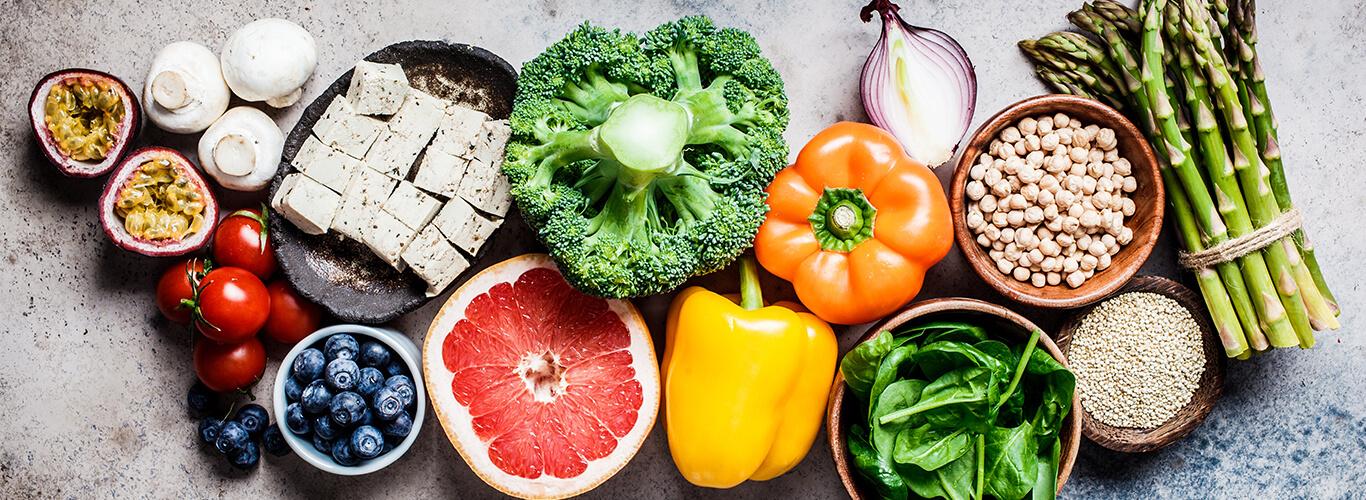
- Fiber-rich vegetables: broccoli, zucchini, peppers, cabbage, carrots
- Legumes: lentils, chickpeas, beans
- Low-GI fruits: berries, apples, pears
Watch out for hidden sugars – they’re everywhere!
Think you’re avoiding sugar because you don’t eat sweets? Unfortunately, sugar is added to many seemingly healthy products.
Hidden sugar is commonly found in:
- Fruit yogurts and flavored kefirs
- Breakfast cereals and “fit” bars
- Ready-made sauces (e.g., ketchup, BBQ sauce)
- “Zero-calorie” drinks – though sugar-free, artificial sweeteners may still affect insulin response
How to handle it? Read labels and choose products with no added sugar.
Fiber – key to satiety and healthy blood sugar levels
Getting enough fiber helps prevent blood sugar and insulin spikes. It also supports gut health and increases fullness. Add it gradually to avoid bloating.
Best fiber sources:
- Vegetables (especially leafy greens, cabbage, broccoli)
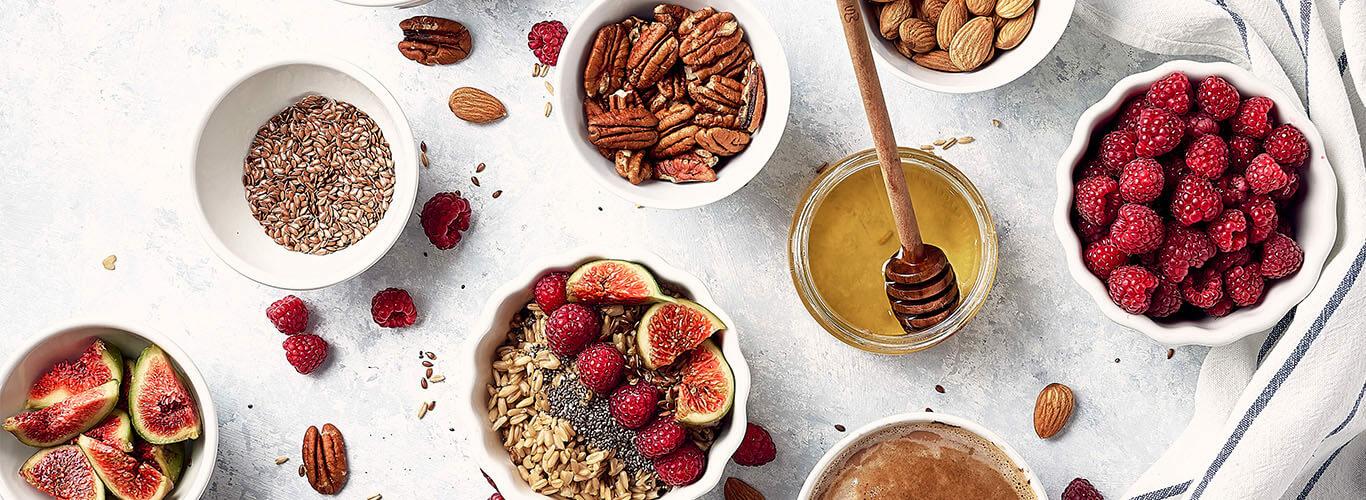
- Fruits (raspberries, apples, pears – eat with the skin!)
- Whole grain products
- Legumes
Protein – your ally in insulin resistance
Protein slows sugar absorption, helping prevent blood sugar spikes. It also helps you feel full, reducing snacking between meals.
Good protein sources:
- Lean meats (chicken, turkey, beef)
- Fish and seafood (salmon, mackerel, cod)
- Eggs – a highly digestible protein
- Sugar-free dairy: plain yogurt, cottage cheese, kefir
- Plant-based options: tofu, lentils, chickpeas
⚠️ Avoid processed cold cuts, which often contain added sugars and preservatives. Choose home-roasted meats or high-quality deli options without additives.
Fats – don’t fear them, just choose wisely
Not all fats are bad! Healthy fats are especially important for people with insulin resistance. They support metabolism and stabilize blood sugar levels.
Recommended fat sources:
- Olive oil and flaxseed oil – great for salads
- Avocado – a rich source of healthy fats
- Nuts and seeds (almonds, walnuts, chia seeds)
- Fatty fish – rich in omega-3s
Glycemic Index
The glycemic index (GI) ranks carbohydrate-containing foods by how quickly they raise blood glucose levels after eating.
GI categories:
- Low (<50): Most vegetables, and some fruits (e.g., berries, cherries, apples, oranges, plums)
- Medium (55–70): Whole grains (buckwheat, millet, spelt, brown rice, oats), wholemeal bread
- High (>70): Sugar, pastries, candy bars, beer
Glycemic Index of Meals
The GI of a single product is one thing. In reality, we eat meals made up of various ingredients. Smart food combinations can lower the overall GI of a meal, helping maintain stable blood sugar and insulin levels.
How to reduce meal GI:
- Avoid meals made only of carbs
- Combine carbs with protein and fat – this slows glucose absorption
Examples of balanced combinations:
- Wholemeal bread + soft-boiled egg
- Buckwheat + chicken breast
- Banana + skyr yogurt
Add healthy fats:
- Wholemeal bread + avocado + egg
- Oatmeal + almonds + chia seeds
- Whole grain pasta + tomato sauce + olive oil
⚠️ Avoid combining carbs with trans fats (e.g., fried fast food, sweets with hydrogenated oils), which worsen insulin sensitivity.
Cook Smart – Cooking Method Matters
Cooking time affects the GI of foods. For example:
- Overcooked pasta has a higher GI than al dente
- Baked potatoes have a higher GI than boiled with the skin
- Overcooked oatmeal has a higher GI than overnight soaked oats
What Not to Eat with Insulin Resistance?
As you can see, the forbidden food list isn’t as long as it may seem. You can eat nearly everything, provided you choose the right ingredients and combinations.
What to actually avoid:
- Sweets and baked goods (pastries, candy bars, cakes)
- Sweetened breakfast cereals
- Highly processed foods (fast food, ready meals, chips)
- Sugary drinks (juices with added sugar, sodas)
- Trans fats (margarine, fast food, some sweets)
- Deep-fried foods
- Store-bought sauces and mayonnaise
This list doesn’t differ much from general healthy eating guidelines for people without insulin-related issues.
Insulin Resistance – Not as Scary as It Seems
Having insulin resistance doesn’t mean giving up everything you enjoy. It’s about making conscious changes and smarter choices. Remember, everyone is different, so it’s worth consulting a dietitian or doctor to tailor a plan to your needs. With the right support and knowledge, insulin resistance is a challenge you can manage successfully.
Still unsure what not to eat with insulin resistance?
Try the Peater diet app, which creates a personalized, well-balanced meal plan tailored to your preferences, capabilities, and health status. You’ll also get access to a chat with a dietitian and 24/7 motivation. Check out the diabetic diet in Peater – it’s also ideal for people with insulin resistance – and enjoy eating again!

Udostępnij ten artykuł