




 Powrót


Pregnancy Habits. Postpartum Diet. What Should You Remember to Get Back in Shape Quickly?
A woman’s body undergoes significant changes during pregnancy and shortly after childbirth. Proper habits during pregnancy and a postpartum diet play a key role in recovery. What should you take care of during pregnancy to help your body recover more easily afterward? Is weight loss necessary after giving birth? Read on to learn the principles of healthy eating for both breastfeeding and non-breastfeeding mothers.
In this article, you will learn:
- Weight Gain During Pregnancy – Guidelines
- What Contributes to Pregnancy Weight Gain
- Causes of Excessive Pregnancy Weight Gain
- Consequences of Abnormal Pregnancy Weight Gain
- How to Manage Weight Gain During Pregnancy
- Postpartum Diet – Do You Need to Lose Weight?
- How Breastfeeding Affects a Mother’s Calorie Needs
- Does Breastfeeding Help with Weight Loss?
- Physical Activity and Lifestyle
Weight Gain During Pregnancy – Guidelines
Pregnancy is a period of major changes in a woman’s body, including gradual weight gain. A healthy rate of weight gain is important for both the mother’s and the baby’s health.
Recommended Pregnancy Weight Gain
Recommended weight gain during pregnancy depends on the woman’s pre-pregnancy Body Mass Index (BMI). According to the Institute of Medicine (IOM), the guidelines are as follows:
- Underweight (BMI < 18.5 kg/m²): 12.5–18 kg
- Normal weight (BMI 18.5–24.9 kg/m²): 11.5–16 kg
- Overweight (BMI 25–29.9 kg/m²): 7–11.5 kg
- Obese (BMI ≥ 30 kg/m²): 5–9 kg
Weight gain isn’t uniform throughout pregnancy. In the first trimester, weight gain is minimal (around 1–2 kg). In the second and third trimesters, the average gain is about 0.4–0.5 kg per week, depending on BMI.
What Contributes to Pregnancy Weight Gain
Increased body weight during pregnancy isn’t just due to fat accumulation. It includes:
- Fetus (approx. 3–4 kg)
- Placenta (approx. 0.5–1 kg)
- Amniotic fluid (approx. 1 kg)
- Increased blood volume (approx. 1.5–2 kg)
- Enlarged uterus and breasts (approx. 2–3 kg)
- Fat storage (approx. 2–4 kg depending on initial BMI)
Causes of Excessive Pregnancy Weight Gain
Many factors influence pregnancy weight gain, including dietary habits, physical activity, genetic predisposition, and health conditions.
- Excess calorie intake, especially from processed foods, promotes fat storage.
- Regular physical activity helps regulate weight.
- Genetics can increase susceptibility to weight gain.
- Gestational diabetes and other health conditions can impair proper weight management.
Consequences of Abnormal Pregnancy Weight Gain
Both inadequate and excessive weight gain can have serious health consequences:
- Too little weight gain increases the risk of preterm birth, low birth weight, fetal undernutrition, and breastfeeding problems.
- Excessive weight gain may lead to gestational diabetes, hypertension, preeclampsia, and a higher likelihood of cesarean delivery. It can also result in macrosomia (a large baby), which complicates delivery. Moreover, excess weight can make it harder to return to pre-pregnancy weight, affecting both health and emotional well-being.
How to Manage Weight Gain During Pregnancy
- Eat a balanced diet tailored to your changing needs. Focus on:
- Vegetables and fruits
- Whole grains
- Lean proteins
- Healthy fats
Limit simple sugars, saturated fats, and highly processed foods.
- Maintain regular physical activity appropriate for your health and fitness level (e.g., walking, swimming, prenatal yoga, or strengthening exercises).
- Track your weight with regular medical checkups. Early detection of abnormal weight trends allows for timely intervention.
- Get enough sleep and reduce stress, as both affect hormones regulating appetite and metabolism. Sleep deprivation and chronic stress can increase cortisol levels and cravings for high-calorie foods.
Postpartum Diet – Do You Need to Lose Weight?
After childbirth, a woman’s body continues to go through significant changes. Many new moms want to regain balance—and their pre-pregnancy figure—as soon as possible. That’s understandable, but it’s best to do so gradually and wisely.
- If you’re breastfeeding, do not reduce calories drastically, as this can affect your energy levels, milk production, and overall well-being. In most cases, weight loss will happen naturally.
- If you’re not breastfeeding, a mild calorie deficit may be appropriate.
How Breastfeeding Affects a Mother’s Calorie Needs
Breastfeeding increases energy requirements, as milk production is metabolically demanding.
- During the first six months, a breastfeeding mother needs about 500 extra kcal per day.
- After six months, as solid foods are introduced, milk production decreases, and the additional energy need drops to around 400 kcal/day.
Energy comes from both diet and fat stores accumulated during pregnancy. If fat reserves are sufficient, gradual postpartum weight loss typically occurs naturally with breastfeeding.
Does Breastfeeding Help with Weight Loss?
Yes. Breastfeeding supports gradual weight loss. The increased energy expenditure can lead to a 0.5 kg/month loss without dieting. However, the pace of weight loss depends on your lifestyle, physical activity, and nutrition.
Postpartum Diet While Breastfeeding
Eat every 3–4 hours, with your last meal 2–3 hours before bedtime. Never skip breakfast.
Follow the Healthy Eating Plate guidelines:
- Vegetables and fruits – half the plate (¾ vegetables, ¼ fruits), minimum 400 g/day, preferably raw or lightly cooked.
- Whole grains – one quarter of the plate (bread, groats, pasta, rice) for fiber, B vitamins, and minerals.
- Protein – one quarter of the plate (lean meat, fish, eggs, dairy, legumes). Eat fish 1–2 times/week and limit red meat to 350–500 g/week.
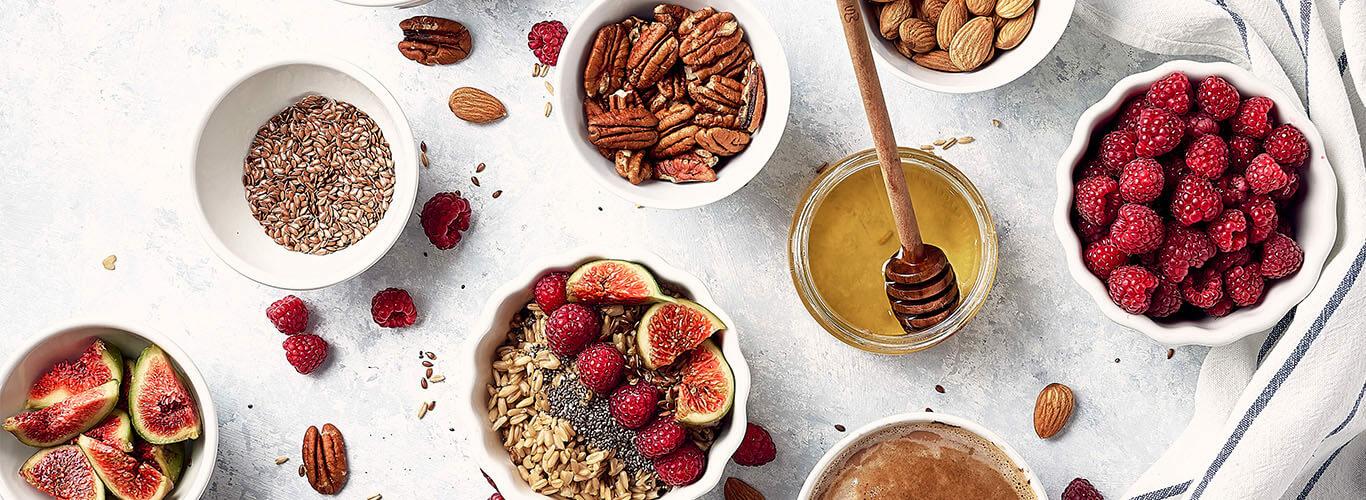
- Healthy fats – plant oils (olive oil, rapeseed oil), nuts, seeds, avocado. Limit saturated fats and avoid fast food.
Fluid needs increase by around 700 ml/day during lactation. Drink throughout the day, preferably water. Avoid sugary and carbonated drinks.
Limit caffeine to 200–300 mg/day (2–3 cups of coffee), and ideally consume it after breastfeeding sessions.
You don’t need to avoid allergenic foods. Eliminating them doesn’t reduce allergy risk in your baby and can cause nutrient deficiencies if done unnecessarily.
Physical Activity and Lifestyle
Regular exercise (at least 30 minutes a day) supports metabolic health and may benefit lactation. It’s best to breastfeed before intense workouts.
Avoid alcohol and smoking, as both are harmful to the baby. Prioritize sleep (7–8 hours a day) and stress reduction.
Weight Loss After Pregnancy in Non-Breastfeeding Women
If you’re not breastfeeding, losing weight works a bit differently. Without the extra calorie burn from lactation, returning to pre-pregnancy weight depends on:
- caloric balance,
- physical activity,
- lifestyle.
During pregnancy, your body stored fat as energy reserves. After giving birth, your calorie needs return to pre-pregnancy levels. A mild calorie deficit will likely be necessary to lose weight.
However, don’t start cutting calories too drastically right after giving birth. Allow your body time to recover, especially during the postpartum period.
To lose weight safely:
- Create a 300–500 kcal/day deficit to lose 0.5–1 kg per week.
- Avoid aggressive dieting, which can cause fatigue, nutrient deficiencies, and poor recovery.
Postpartum Diet – Be Smart About It
Weight loss after having a baby is an important topic for many new moms. If you also dream of regaining your pre-pregnancy figure, take a smart, measured approach.
You’ll reach your goal gradually but sustainably with consistency. Rapid weight loss may negatively impact your health and lead to the yo-yo effect.
If you need help creating a balanced diet plan to get back in shape after childbirth, try Peater. The app will offer you a meal plan tailored to your health status, energy needs, and preferences. Delicious, healthy recipes created by clinical dietitians…
Udostępnij ten artykuł