




 Powrót


Polycystic Ovary Syndrome and Nutrition: Diet for PCOS – Key Principles
Polycystic Ovary Syndrome (PCOS) is one of the most common hormonal disorders affecting women of reproductive age. It significantly reduces quality of life, makes it harder to conceive, and causes painful symptoms. A key strategy in managing the condition is proper nutrition. Read on to learn what a PCOS-friendly diet should look like.
In this article, you will learn:

What is PCOS?
PCOS (Polycystic Ovary Syndrome) is one of the most common hormonal disorders among women of reproductive age. It involves both metabolic and reproductive dysfunctions.
According to the Polish Society of Endocrinology, the Polish Society of Gynecologists and Obstetricians, and the Polish Society of Gynecological Endocrinology, PCOS affects around 6–13% of women, although many cases remain undiagnosed.
Diet plays an important role in alleviating PCOS symptoms, improving fertility, and reducing the risk of long-term complications.
What Causes PCOS?
The exact causes of PCOS are not fully understood. However, genetic, environmental, and lifestyle factors are known to play significant roles. Key mechanisms involved in the development of PCOS include:
- Insulin resistance,
- Hormonal dysfunction,
- Chronic inflammation,
- Genetic and epigenetic factors.
Insulin resistance
Tissue resistance to insulin leads to hyperinsulinemia, which stimulates the ovaries to overproduce androgens (male sex hormones). Excess insulin also contributes to weight gain, worsening metabolic disturbances.
Hormonal dysfunction
Disruptions in the hypothalamic-pituitary-ovarian axis result in an elevated LH (luteinizing hormone) to FSH (follicle-stimulating hormone) ratio. This leads to anovulation and the development of multiple small ovarian follicles.
Inflammation
Women with PCOS often experience low-grade chronic inflammation, which affects hormonal and metabolic function.
Genetic factors
A family history of PCOS increases a woman’s risk of developing the condition. However, lifestyle factors, such as diet and physical activity, can mitigate the genetic predisposition.
Symptoms of PCOS
Symptoms of PCOS are highly variable and can change over time. The most common include:
- Menstrual irregularities
(irregular cycles, lack of ovulation, or absence of menstruation) - Hyperandrogenism
(elevated androgen levels leading to acne, male-pattern hair loss, hirsutism, and oily skin) - Fertility issues
(anovulation hindering the ability to conceive) - Metabolic symptoms
(overweight, abdominal obesity, difficulty losing weight, increased risk of type 2 diabetes and cardiovascular disease) - Psychological and emotional consequences
(depression, anxiety, low self-esteem, and body image issues)
Special attention should be paid to fertility problems associated with PCOS. It is one of the leading causes of female infertility. Hormonal imbalances and anovulation make conception more difficult—but an appropriate diet can greatly improve these outcomes.
PCO vs. PCOS – Not the Same Thing
Although the terms are often used interchangeably, the difference between PCO (polycystic ovaries) and PCOS (polycystic ovary syndrome) is significant.
PCO is a morphological condition describing the appearance of ovaries on ultrasound: enlarged volume with numerous small follicles. It can occur in healthy women without any clinical symptoms. These women can have normal fertility and hormone levels. Therefore, PCO alone is not a health threat and does not require treatment if it causes no symptoms.
PCOS, on the other hand, is a broader diagnosis that includes PCO plus hormonal disturbances, menstrual irregularities, and other metabolic problems.
Diet for PCOS – The Key to Better Health
A well-balanced diet is essential in managing PCOS symptoms and improving patients’ quality of life. Key dietary goals in PCOS include:
- Stabilizing insulin levels,
- Reducing inflammation,
- Supporting hormonal balance.
If you are living with PCOS, follow the dietary principles below. Scientific evidence supports the effectiveness of dietary changes in managing PCOS and improving well-being.
Blood Sugar Regulation
A low glycemic index (GI) diet helps stabilize blood sugar levels and improve insulin sensitivity. Choose low-GI foods such as:
- Whole grains,
- Vegetables,
- Low-sugar fruits,
- Legumes.
Increasing fiber intake is crucial—it helps regulate blood glucose and supports digestive health.
Avoid simple sugars, trans fats, and processed foods, which can exacerbate inflammation and insulin resistance. Eating smaller meals regularly also supports glucose and insulin balance.
Protein intake is important for appetite control and blood sugar stabilization. Choose lean protein sources.
Cholesterol and PCOS
PCOS is often associated with lipid abnormalities: elevated total cholesterol, LDL (“bad” cholesterol), triglycerides, and low HDL (“good” cholesterol). These disturbances increase the risk of cardiovascular disease, which is more common in women with PCOS.
To support healthy lipid levels:
- Reduce saturated and trans fats,
- Avoid processed foods, fast foods, fatty meats, and full-fat dairy,
- Focus on unsaturated fats, which help lower LDL and raise HDL. Good sources include:
- Olive oil,
- Nuts,
- Avocados,
- Fatty fish rich in omega-3s (salmon, mackerel, sardines).
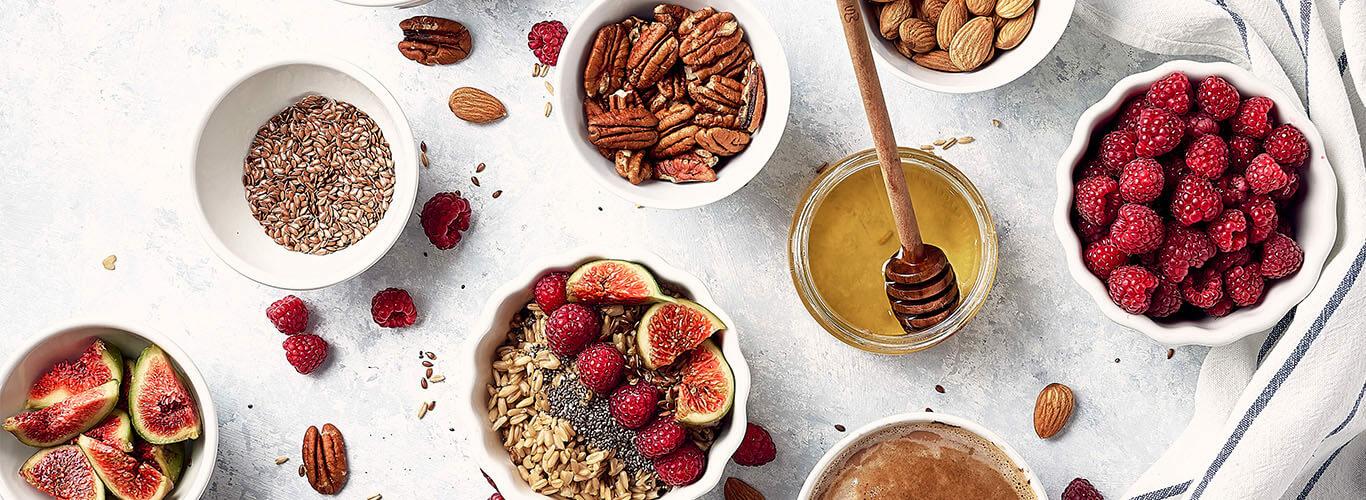
A high-fiber diet, especially soluble fiber, helps lower cholesterol by binding it in the digestive tract. Good sources include oats, flaxseeds, vegetables, fruits (like apples and pears), seeds, and legumes.
Foods rich in antioxidants (e.g., berries, green tea, nuts) may help reduce inflammation and oxidative stress—both of which worsen lipid disorders.
Physical Activity and Weight Reduction
Incorporate regular physical activity into your lifestyle. When combined with a balanced diet, exercise helps improve lipid profiles.
Exercise also supports healthy weight management. For overweight or obese women, even modest weight loss (5–10% of initial body weight) can improve menstrual regularity, promote ovulation, and reduce androgen levels.
Key Dietary Guidelines for PCOS
Although there is no cure-all for PCOS, the right diet can greatly improve your quality of life and fertility outcomes. Here are the most important dietary principles:
- Choose low glycemic index (GI) foods
- Vegetables: broccoli, zucchini, spinach, kale, lettuce, peppers, cucumbers.
- Legumes: lentils, chickpeas, beans, peas, fava beans.
- Whole grains: buckwheat, millet, brown rice, quinoa, oats.
- Fruits with low GI: blueberries, raspberries, strawberries, blackcurrants, grapefruit, apples, pears.
- Focus on healthy fats
- Avoid trans and saturated fats.
- Choose unsaturated fats:
- Olive oil, cold-pressed canola oil, flaxseed oil.
- Avocados.
- Fatty sea fish: salmon, mackerel, sardines, herring, tuna.
- Nuts and seeds: walnuts, almonds, hazelnuts, sunflower seeds, pumpkin seeds.
- Avoid: hydrogenated margarine, fried foods, fatty meats, high-fat deli meats.
- Eat lean protein sources
- Fish: cod, pollock, trout, salmon.
- Poultry: skinless chicken breast, turkey.
- Eggs: boiled or in omelets.
- Plant-based proteins: tofu, tempeh, seitan, legumes.
- Dairy: plain yogurt, kefir, low-fat cottage cheese.
- Include fiber-rich foods
- Vegetables: carrots, celery, cauliflower, eggplant, beets, onions.
- Fruits: apples, pears, oranges, kiwi, plums.
- Seeds: chia seeds, flaxseed, sesame seeds, pumpkin seeds.
- Whole grains: wholemeal bread, whole wheat pasta, brown rice, oats.
- Increase antioxidant intake
- Fresh fruits: blueberries, raspberries, cherries, pomegranate, acai berries.
- Vegetables: red cabbage, beets, tomatoes, red peppers, broccoli.
- Teas: green tea, white tea, herbal infusions (e.g., hibiscus).
- Other: dark chocolate (min. 70% cocoa), walnuts, extra virgin olive oil.
PCOS and Dietary Supplements Supporting Hormonal Health
In some cases, supplements can help manage PCOS symptoms by addressing common nutrient deficiencies and supporting hormonal balance. However, before starting any supplementation, consult a doctor or dietitian and complete any recommended tests.
Supplements worth considering in PCOS include:
- Inositol, which improves insulin sensitivity and regulates menstrual cycles.
- Vitamin D, often deficient in women with PCOS—its supplementation may improve glucose metabolism and cycle regularity.
..Zinc, which supports skin health and hormonal balance – it may help reduce symptoms of hyperandrogenism, such as acne and excessive hair growth.
Magnesium, which helps regulate blood glucose levels and supports the nervous system.
Omega-3 fatty acids, which have anti-inflammatory properties and support lipid metabolism.
Chromium, which may improve tissue sensitivity to insulin.
B vitamins, especially B6 and B12, support the nervous system and may alleviate symptoms of premenstrual syndrome.
Remember: supplementation should always be individually tailored – not every woman with PCOS requires the same nutrients or dosages.
Summary: Diet for PCOS – Your Ally in Managing Symptoms
A proper diet for polycystic ovary syndrome (PCOS) is not just a supportive measure – it is a key component of therapy that can significantly improve quality of life, fertility, and overall well-being. Its foundation includes:
- a low glycemic index,
- high fiber and antioxidant content,
- appropriate sources of protein and healthy fats,
- avoiding processed foods,
- regular physical activity.
A well-balanced diet helps regulate hormones, reduce insulin resistance and inflammation, improve lipid profiles, and may support fertility.
PCOS does not have to define you. With the right nutrition, you can regain control of your health.
If you need help creating a personalized meal plan, consult a dietitian experienced in PCOS management.
Udostępnij ten artykuł