




 Powrót


Birth Control Pills and Weight Loss: Is It Possible to Lose Weight While Taking the Pill?
Oral contraceptives, or hormonal birth control pills, are among the most commonly used methods of preventing pregnancy worldwide. A frequent topic of interest among women and a subject of scientific research is their impact on body weight and weight loss.
Read on to discover what science says about the relationship between birth control pills and body weight regulation.
In this article, you will learn:
Types of Birth Control Pills
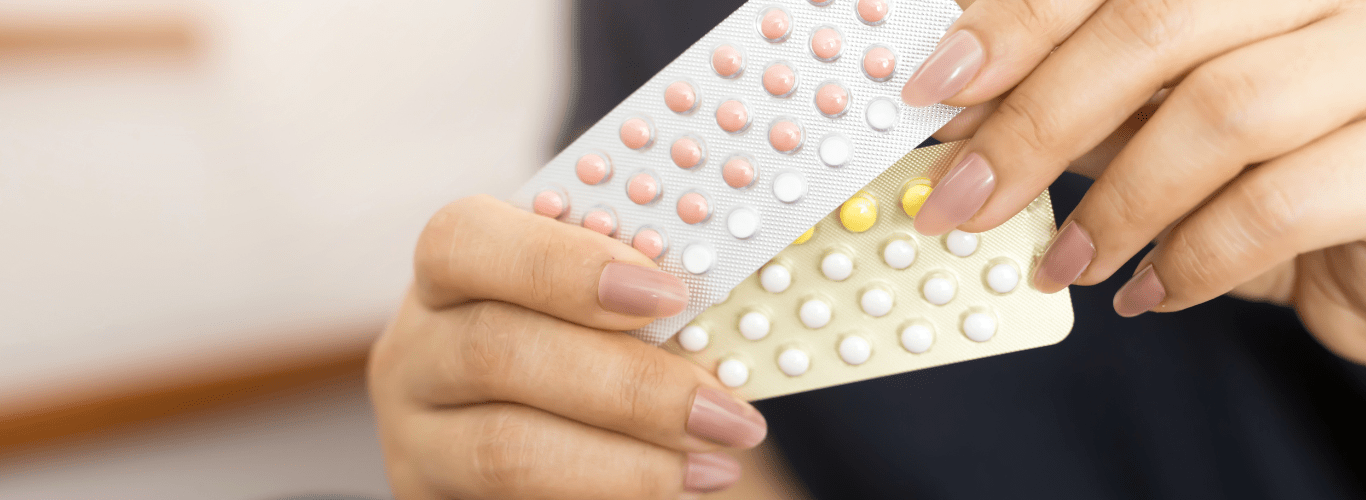
There are various types of birth control pills available, differing in hormonal composition and mechanism of action. These differences may influence their effect on body weight.
Combined Oral Contraceptives (COCs)
Contain two hormones: estrogen and progestin. They work by suppressing ovulation, altering cervical mucus, and changing the endometrial lining.
They are further classified into:
- Monophasic pills – all pills in the pack contain the same dose of hormones.
- Multiphasic pills – hormone doses vary throughout the cycle (biphasic, triphasic).
Progestin-Only Pills (POPs)
Contain only progestin. They work by thickening cervical mucus and altering the endometrial lining. These are recommended for women who cannot take estrogens (e.g., breastfeeding women, women at risk of thrombosis).
Next-Generation Birth Control Pills
Contain drospirenone or other progestins with antiandrogenic and antimineralocorticoid properties. These may reduce water retention and limit weight fluctuations.
Low-Dose Contraceptives (Mini Pills)
Contain very low hormone doses. They are intended for women sensitive to higher estrogen or progestin levels.
Other Forms of Hormonal Contraception
In addition to oral pills, other hormonal birth control options include:
- Contraceptive Patches
Deliver hormones transdermally. Their effects are similar to combined pills but may offer more convenience for those who forget to take pills regularly. However, the risk of water retention and skin irritation may be similar. - Hormonal IUDs (Intrauterine Devices)
Release progestins directly into the uterus. They do not significantly affect body weight or carbohydrate metabolism. They are recommended for women who cannot use estrogen. - Hormonal Injections
Contain long-acting progestins. These may increase the risk of weight gain, especially in women with genetic predispositions. - Hormonal Implants
Release hormones through the skin over an extended period (3–5 years). They have minimal impact on weight but may affect appetite.
How Birth Control Pills Affect Body Weight
Scientific studies do not show a consistent link between birth control pills and significant weight gain.
Weight increases reported by some women are often due to water retention, influenced primarily by estrogen. This leads to higher body weight without an actual increase in fat mass (1).
Some studies suggest that next-generation pills containing drospirenone may reduce the risk of water retention and therefore limit weight fluctuations (3).
Researchers emphasize individual variability in how the body responds to hormonal contraceptives. Monitoring changes when using different types of contraception is especially important for women with metabolic issues.
In some cases, birth control pills may influence hunger and satiety centers in the brain, increasing appetite and caloric intake.
Birth Control Pills and Weight Loss
Although less common, some women report weight loss while using hormonal contraception. This may be due to progestins’ effects on metabolism and increased lipolysis. Pills with low estrogen content may also reduce water retention.
Impact on Carbohydrate Metabolism and Glucose Levels
Birth control pills may affect carbohydrate metabolism through changes in insulin and glucose regulation (4). Estrogens and progestins may influence:
- Insulin sensitivity
- Risk of developing insulin resistance
- Overall carbohydrate metabolism
Insulin Sensitivity
Some studies suggest that oral contraceptives may reduce insulin sensitivity and raise fasting glucose levels.
Risk of Insulin Resistance
Pills with high-androgenic progestins may increase the risk of insulin resistance, especially in overweight women or those with PCOS (polycystic ovary syndrome).
Carbohydrate Metabolism
A 2020 study published in the Journal of Clinical Endocrinology & Metabolism found that changes in carbohydrate metabolism caused by birth control pills are generally mild and reversible after discontinuation.
Moreover, modern low-dose formulations have less impact on glucose metabolism compared to older-generation pills.
Birth Control Pills and Nutrient Deficiencies
Long-term use of hormonal contraception may lead to deficiencies in certain nutrients, such as:
- Vitamin B6 – increased usage during hormone metabolism can lead to fatigue or irritability
- Magnesium – low levels may cause muscle cramps and fatigue
- Vitamin D – deficiencies may worsen inflammation and weaken immunity
- Zinc and Selenium – important for immune function and hormonal balance
Blood Tests and Health Monitoring on Hormonal Contraceptives
If you use hormonal contraception, you should regularly undergo blood tests to monitor for metabolic changes and nutrient deficiencies.
Recommended tests while on birth control pills:
- Fasting glucose and glucose tolerance test – for insulin sensitivity and insulin resistance risk
- Lipid panel – total cholesterol, LDL, HDL, triglycerides (especially important for combined pills)
- Liver function tests (ALT, AST) – the liver metabolizes hormones
- Vitamin and mineral levels – especially vitamin D, B6, B12, folate, magnesium, and iron
- Coagulation profile – to assess thrombosis risk, especially in women with additional risk factors
- TSH hormone levels – to monitor thyroid function, as hormonal changes can affect it
Birth Control Pills and Weight Loss: Is There Really a Link?
The impact of birth control pills on body weight is highly individualized. In some cases, they may indeed make weight loss more difficult.
This relationship depends on the type of pill. Higher estrogen doses are more likely to cause water retention. Lifestyle factors—such as diet, physical activity, and stress levels—also significantly influence how hormones affect the body. Additionally, genetic predisposition plays a role. Individual differences in hormone metabolism can determine how someone responds to hormonal birth control.
Diet to Support Hormonal Balance and Metabolism
If you notice weight gain or other side effects from taking birth control pills, a proper diet can help minimize them.
What to include in your diet?
- High-fiber foods
Help stabilize blood glucose and improve insulin sensitivity.
Sources: whole grains, vegetables, fruits, legumes. - Omega-3 fatty acids
Support hormonal balance and reduce inflammation.
Sources: fatty fish (salmon, mackerel), flaxseeds, walnuts. - Magnesium and vitamin B6-rich foods
Support the nervous system and reduce water retention.
Sources: nuts, seeds, bananas, dark chocolate, leafy greens. - High-protein foods
Support metabolism and satiety, making it easier to control weight.
Sources: lean meats, fish, eggs, legumes, tofu. - Adequate hydration
Helps flush out excess water and reduces bloating. - Herbs and adaptogens
Plants like ashwagandha, maca, or licorice root support hormonal balance, reduce stress, and improve the body’s adaptation to hormonal changes.
Avoid excess sugar and processed foods, which can destabilize insulin levels and increase the risk of insulin resistance. A well-balanced diet can also help maintain a healthy weight.
Birth Control Pills and Weight Loss – Final Thoughts
The connection between birth control pills and weight changes is not straightforward and depends on multiple factors. Current scientific evidence shows that oral hormonal contraception does not cause significant weight changes in most women.
Nonetheless, many women notice weight gain while using contraceptives. This is often due to water retention. Some also blame the pill for weight loss difficulties—this is also plausible, as individual responses to hormones can vary greatly.
If you’re experiencing unwanted side effects, start with your diet to help balance your metabolism. Not sure how to plan your meals? Peater can help. In the app, select a high-protein, diabetes-friendly, or anti-inflammatory diet, and you’ll enjoy tasty, nutrient-rich meals. There’s also a good chance your weight will stabilize at a healthy level.
References
- Lopez LM, Ramesh S, Chen M, et al. Hormonal contraceptives for contraception: effect on weight. Cochrane Database Syst Rev. 2014;2014(4):CD008815.
- Gallo MF, Lopez LM, Grimes DA, et al. Combination contraceptives: effects on weight. Cochrane Database Syst Rev. 2014;2014(1):CD003987.
- Berenson AB, Rahman M. Changes in weight, total fat, percent body fat, and central-to-peripheral fat ratio associated with injectable and oral contraceptive use. Am J Obstet Gynecol. 2009;200(3):329.e1-329.e8.
- Bahamondes L, et al. The effect of hormonal contraceptives on insulin sensitivity and lipid metabolism. Contraception. 2014;90(5):450–457.
- Jin J, et al. Oral contraceptives and glucose metabolism: A systematic review. J Clin Endocrinol Metab. 2020;105(5):e192–e202.

Udostępnij ten artykuł