





 Powrót


Keto Diet and Cholesterol: How the Ketogenic Diet Affects the Body and Who Should Avoid It
The ketogenic diet is based on high fat intake and low carbohydrate consumption. This model is gaining increasing interest as a way to improve health and lose weight. However, it often raises concerns, with one of the most frequently asked questions being its effect on cholesterol levels in the body. Read on to find out how the keto diet influences cholesterol and for whom this diet may be dangerous.
In this article, you will learn:
What is Cholesterol?
Cholesterol is a lipid (fat) essential for the proper functioning of the body. It is found in animal tissues. The human body produces about 60–80% of its cholesterol in the liver, while the remaining 20–40% comes from the foods we eat.
Cholesterol is a component of cell membranes and a precursor to steroid hormones (such as cortisol and testosterone) and vitamin D.
Cholesterol Fractions
Cholesterol cannot dissolve in water on its own, which means it cannot move freely through the blood. For this reason, it is transported by lipoproteins—complex structures made up of proteins and fats.
The main types of cholesterol fractions in the body include:
- LDL (low-density lipoproteins) – the so-called “bad” cholesterol
- HDL (high-density lipoproteins) – the so-called “good” cholesterol
- VLDL (very low-density lipoproteins)
- IDL (intermediate-density lipoproteins)
LDL – “Bad” Cholesterol
LDL transports cholesterol from the liver to cells throughout the body, where it is used. Excess LDL is harmful because it promotes the formation of atherosclerotic plaques, which narrow the arteries and increase the risk of cardiovascular diseases such as atherosclerosis, heart attack, and stroke.
HDL – “Good” Cholesterol
HDL acts as a “cleaner” of the blood vessels. It collects excess cholesterol from cells and transports it back to the liver, where it is processed and excreted from the body. Higher HDL levels are beneficial as they help prevent cholesterol buildup in the arteries.
VLDL
VLDL transports triglycerides (another type of fat) from the liver to adipose tissue. After delivering the triglycerides, VLDL transforms into LDL, which can also raise blood cholesterol levels. Like LDL, VLDL can contribute to fatty deposits in the arteries and increase the risk of heart disease.
IDL
IDL is an intermediate form between VLDL and LDL. After VLDL breaks down, IDL transports cholesterol remnants to the liver or converts into LDL. Although not commonly monitored in routine blood tests, excessive IDL can contribute to atherosclerosis.
Functions of Cholesterol in the Body
Although cholesterol often has a negative reputation, it performs many vital functions:
- Cell structure: It is a key component of cell membranes, providing stability and flexibility to ensure proper cell function.
- Hormone production: It plays an important role in the synthesis of steroid hormones such as cortisol, estrogens, progesterone, and testosterone. These hormones regulate a wide range of physiological processes, including fluid and electrolyte balance, metabolism, and reproductive functions.
- Vitamin D precursor: Cholesterol is converted into vitamin D, which is crucial for proper bone mineralization and calcium regulation.
- Bile acid production: Cholesterol is involved in the production of bile acids in the liver, which are essential for digesting and absorbing fats in the intestines.
Dietary Sources of Cholesterol
Cholesterol in food comes only from animal products. The highest cholesterol content is found in:
- Organ meats – brain, kidneys, liver
- Fatty cuts of red meat and processed meats
- Eggs
- Shrimp
- Butter
- Full-fat dairy products – e.g., cheese, cream
It’s important to note that cholesterol content alone does not determine whether a food is unhealthy. The overall fat profile—especially saturated and trans fats—also matters, as these directly influence LDL (“bad” cholesterol) levels in the blood.
Cholesterol Reference Ranges
Laboratory cholesterol levels are a key indicator of cardiovascular health. The levels—especially of specific cholesterol fractions—can help assess the risk of heart disease, atherosclerosis, and other serious conditions.
Reference values are based on epidemiological and clinical studies and indicate which blood cholesterol levels are associated with health or risk.
Current reference ranges for a lipid panel:
- Total cholesterol: < 190 mg/dL
- HDL cholesterol: > 45 mg/dL for women, > 40 mg/dL for men
- LDL cholesterol: < 115 mg/dL
- < 100 mg/dL for moderate cardiovascular risk
- < 70 mg/dL for high cardiovascular risk
What Affects Blood Cholesterol Levels?
Cholesterol levels in the blood are influenced by various factors, including genetics and lifestyle.
Non-modifiable factors:
- Genetics: Inherited conditions like familial hypercholesterolemia can cause high cholesterol levels, especially LDL, even with a healthy diet.
- Genetic mutations: Mutations in LDL receptor genes may reduce the body’s ability to clear cholesterol from the blood.
- Age: Cholesterol levels naturally increase with age.
- In men, levels typically rise after age 45.
- In women, levels rise after age 55, especially post-menopause, due to a drop in estrogen, which has a protective effect on lipid metabolism.
Modifiable factors:
- What increases cholesterol?
- Diet high in saturated and trans fats
- Lack of physical activity
- Excess body weight
- Excess alcohol consumption
- What lowers cholesterol?
- Dietary fiber
- Plant sterols (phytosterols)
- Weight reduction
- Physical activity
Keto Diet and Cholesterol
The ketogenic diet typically includes high cholesterol intake due to its emphasis on fats—especially animal fats. Fats make up 70–80% of daily calorie intake on keto, protein accounts for 15–25%, and carbohydrates are limited to 5–10%.
The exact amount of cholesterol depends on food choices.
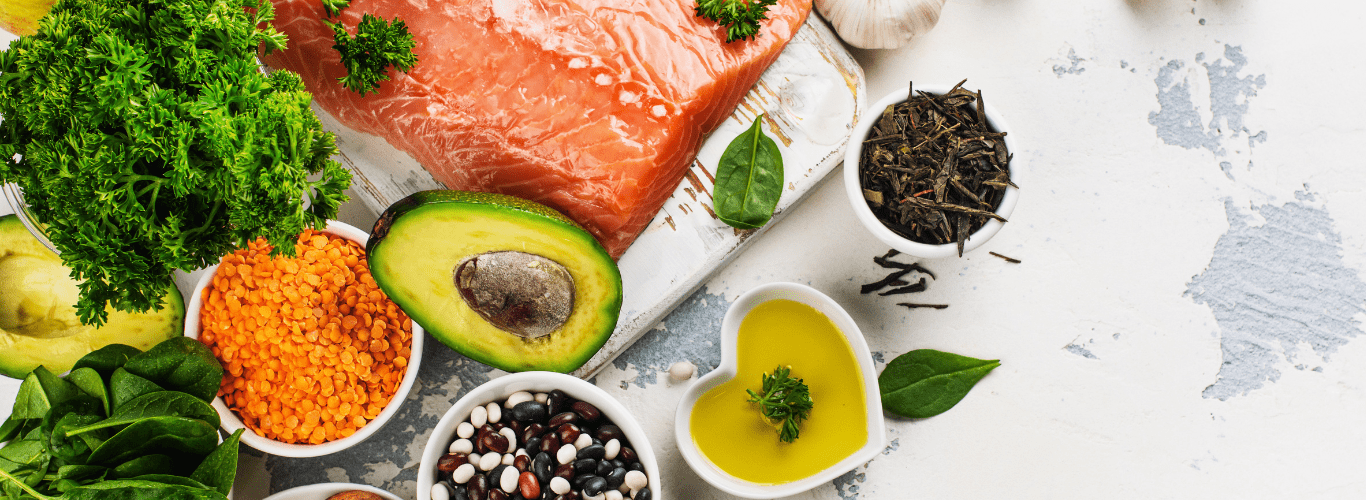
Main fat sources on the keto diet:
- Animal products: Meat (beef, pork, poultry), fatty fish, eggs, butter, full-fat cheeses and cream – all of which contain cholesterol
- Plant fats: Olive oil, avocado, nuts, seeds – cholesterol-free
Cholesterol content in common keto foods (per 100g):
- Meat: 70–120 mg (depending on type)
- Eggs: One large egg – ~186 mg
- Butter: ~215 mg
- Cheese: 80–100 mg
- Fatty fish (mackerel, salmon): 60–100 mg
People consuming fatty animal products on a keto diet can easily exceed the recommended daily intake of cholesterol:
- 300 mg for healthy individuals
- 200 mg for those at risk of cardiovascular disease
Is High Cholesterol on Keto Harmful?
Despite its high cholesterol content, studies show that the keto diet does not raise blood cholesterol in all individuals.
For some, the keto diet may raise LDL (“bad” cholesterol) levels, increasing cardiovascular risk. For others—especially when the diet includes many healthy unsaturated fats (like olive oil or avocado)—HDL (“good” cholesterol) levels may increase, offering cardiovascular protection.
People at particular risk from keto’s effect on cholesterol:
- Those with existing cardiovascular issues
- Individuals with a genetic predisposition to high cholesterol (e.g., familial hypercholesterolemia)
- Those with other metabolic disorders
If you’re interested in the relationship between the keto diet and cholesterol in the context of your health, consult a doctor or dietitian. This will help you minimize the risk of worsening your lipid profile.
References:
Catapano AL., Graham I, De Backer G et al. 2016 ESC/EAS Guidelines for the management of dyslipidaemias. The Task Force for the management of dyslipidaemias of the European Society of Cardiology (ESC) and European Atherosclerosis Society (EAS). Eur Heart J, 2016; 37: 2999–3058.

Udostępnij ten artykuł