






 Powrót


What Is Keto? Ketogenic Diet – Rules and Key Stages
The ketogenic diet, commonly known as the keto diet, has gained significant popularity in recent years due to its potential health benefits. It involves a drastic reduction in carbohydrate intake and an increased intake of fat. The goal is to shift the body into a state of ketosis.
Read on to understand how the keto diet works, its key phases, and what you can eat on keto. Then decide if this dietary approach is right for you.
In this article, you will learn:
A Brief History of the Ketogenic Diet
The ketogenic diet was developed about 100 years ago during the search for treatments for drug-resistant epilepsy. The progression of research on ketosis is credited to two physicians—Dr. Woodyatt and Dr. Wilder—who discovered that the keto diet could completely eliminate epileptic symptoms. However, the rise of the pharmaceutical industry caused this nutritional approach to be largely forgotten for around 60 years.
Today, the ketogenic diet is used not only in epilepsy treatment but also in managing other metabolic disorders such as type 2 diabetes and metabolic syndrome. It may also support weight loss. Ongoing research is exploring its potential effects on neurodegenerative diseases like Alzheimer’s and even in cancer therapy, though definitive results are still lacking.
What Is the Keto Diet?
The ketogenic diet is characterized by:
- Low carbohydrate intake (typically 5–10% of daily caloric intake)
- Moderate protein intake
- High fat intake
Ketosis is a metabolic state where the body burns fat instead of carbohydrates as its main energy source. It produces ketones, which become the primary fuel for the brain and muscles.
How does this process work?
- When carbohydrate intake is minimized, the body starts searching for alternative energy sources.
- Once glycogen stores (the stored form of glucose in muscles and the liver) are depleted, the body begins breaking down fat.
- This leads to the production of ketone bodies: acetoacetate, beta-hydroxybutyrate, and acetone. These ketones become a new energy source—especially for the brain, which cannot use fats directly because they don’t cross the blood-brain barrier.
- Ketosis promotes fat breakdown, both from dietary fat and fat stored in the body.
- When glucose availability is low, the body switches to fat burning as its primary fuel source.
Ketosis also alters several metabolic processes:
- Blood glucose levels become more stable, improving glycemic control.
- Reduced blood sugar fluctuations can lower appetite and hunger spikes, aiding weight loss.
Ketogenic Diet – Core Principles
The fundamental rule of the keto diet is to consume fat-rich foods while reducing carbohydrate intake to a minimum.
What Can You Eat on Keto?
Fat sources on keto:
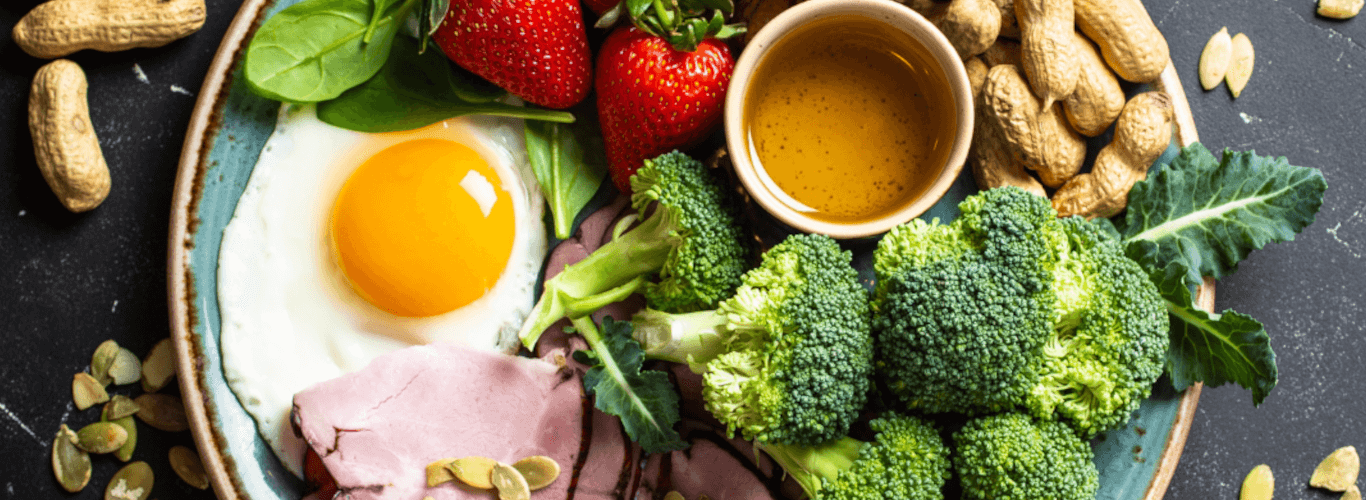
Key fat sources include olive oil, MCT oil, and animal fats like butter, lard, and heavy cream. Avocados, nuts (especially macadamia and pecans), and seeds (e.g., chia, flax) also provide healthy fats. Fatty fish like salmon, mackerel, sardines, and herring, rich in omega-3 fatty acids, are also allowed.
Protein sources on keto:
Preferred protein sources include moderately fatty meats and fish, eggs, and full-fat dairy products such as cheese, cream, and Greek yogurt. Protein intake must be moderated since excess protein can disrupt ketosis through gluconeogenesis (conversion of protein to glucose).
Vegetables on keto:
Recommended vegetables are low in carbohydrates: leafy greens like spinach, kale, and lettuce, as well as zucchini, broccoli, cauliflower, cabbage, and cucumbers. Moderate amounts of higher-carb vegetables like bell peppers, tomatoes, and eggplant are also acceptable.
Fruits on keto:
Due to their high sugar content, most fruits are restricted. However, small amounts of low-sugar fruits like berries (blueberries, raspberries, strawberries) are permitted.
Additional keto rules:
Avoid processed foods that often contain added sugars and starches. Herbs, spices, and selected sweeteners (like stevia and erythritol) can be used in moderation to enhance flavor without interfering with ketosis.
Stages of the Ketogenic Diet and Keto-Adaptation
To achieve ketosis, it’s not enough to just increase fat intake—what matters is the ketogenic ratio, the weight ratio of fat to the combined total of protein and carbs in your diet.
The adaptation process, called keto-adaptation, consists of several phases. It can last from a few days to several weeks, depending on the individual. Each phase has its own typical symptoms.
1. Initial Phase (Days 1–3)
In the first few days of the ketogenic diet, the body still relies on glycogen stores. Insulin levels begin to drop, leading to increased fat burning. This is when many people experience symptoms of the so-called “keto flu,” caused by the abrupt metabolic shift. Symptoms may include:
- Headaches
- Fatigue
- Irritability
- Nausea
- Trouble concentrating
What’s happening inside the body?
- Glycogen is depleted
- Blood glucose levels fall
- The body begins breaking down fat into fatty acids and ketones
2. Transition Phase (Days 3–7)
Once glycogen is exhausted, the body begins relying heavily on fat for energy. The liver ramps up ketone production (mainly beta-hydroxybutyrate), which becomes the primary fuel source.
Energy levels and physical performance may temporarily drop. “Keto flu” symptoms may worsen but often start to subside. Maintaining hydration and replenishing electrolytes—sodium, potassium, magnesium—is critical to avoid dehydration and muscle cramps.
What’s happening in the body?
- The liver produces more ketones
- Insulin levels are very low
- The body begins efficiently burning fat
3. Early Ketosis (Days 7–14)
At this stage, the body becomes more efficient at using ketones. “Keto flu” symptoms largely subside. Benefits like increased energy, improved concentration, and mood stabilization begin to emerge.
Many people also notice weight loss due to both water loss and fat burning.
What’s happening in the body?
- Full shift to fat burning and ketone production
- Blood glucose stabilizes
- “Keto flu” symptoms disappear
4. Full Keto-Adaptation
This phase is reached when the body becomes highly efficient at using ketones and fats as its main energy sources. The brain, which typically consumes the most glucose, now prefers ketones.
This may improve focus, memory, and overall mental clarity. Cravings for carbohydrates diminish, and hunger episodes are less frequent and less intense.
Key benefits at this stage include:
- Better blood sugar control
- More energy
- Improved mood stability
- Continued fat loss
- Enhanced physical performance as the body adapts to fat-fueled exercise
How to Check If You’re in Ketosis
You can check your ketosis status using several methods:
- Blood ketone measurement
- Urine ketone strips
- Breath ketone analyzers
Each measures ketone levels in different ways—blood, urine, or exhaled air. They vary in accuracy, so choose based on your needs.
- Blood ketone test
This is the most accurate method, using a special ketone meter similar to a glucose monitor.
- It measures beta-hydroxybutyrate levels in blood
- A result above 0.5 mmol/L indicates you are in ketosis
- Optimal levels for keto dieters are between 1.5–3.0 mmol/L
Drawbacks include finger pricks and the high cost of test strips.
- Urine ketone strips
This is the simplest and most affordable method, ideal for beginners. You dip a strip into urine, and the color change indicates ketone concentration.
- Easy and cheap
- Less accurate over time as the body becomes more efficient at using ketones, leaving fewer in the urine
- Breath ketone analyzers
These measure acetone in the breath.
- Fast and non-invasive
- Least accurate of the three methods
Keto Diet – What You Need to Remember
“Keto diet rules” is a commonly searched phrase, showing strong public interest.
If you’re considering this approach, remember: keto isn’t an easy shortcut to health or weight loss. It requires precise tracking of macronutrients, careful food selection, and patience during keto-adaptation.
The first days—or even weeks—can be tough, as your body shifts from using carbs to burning fat. Expect fatigue, low energy, and digestive issues. Avoid common pitfalls like hidden carbs in processed foods and sauces.

Udostępnij ten artykuł