




 Powrót


Is There an Effective Weight Loss Supplement? A Review of Popular Slimming Products
The dietary supplement market grows year by year. Among the many options available, weight loss products hold a significant place, often promising quick and dramatic results. But is there truly an effective supplement for weight loss? Read on to find out whether it’s worth investing in such methods.
In this article, you will learn:
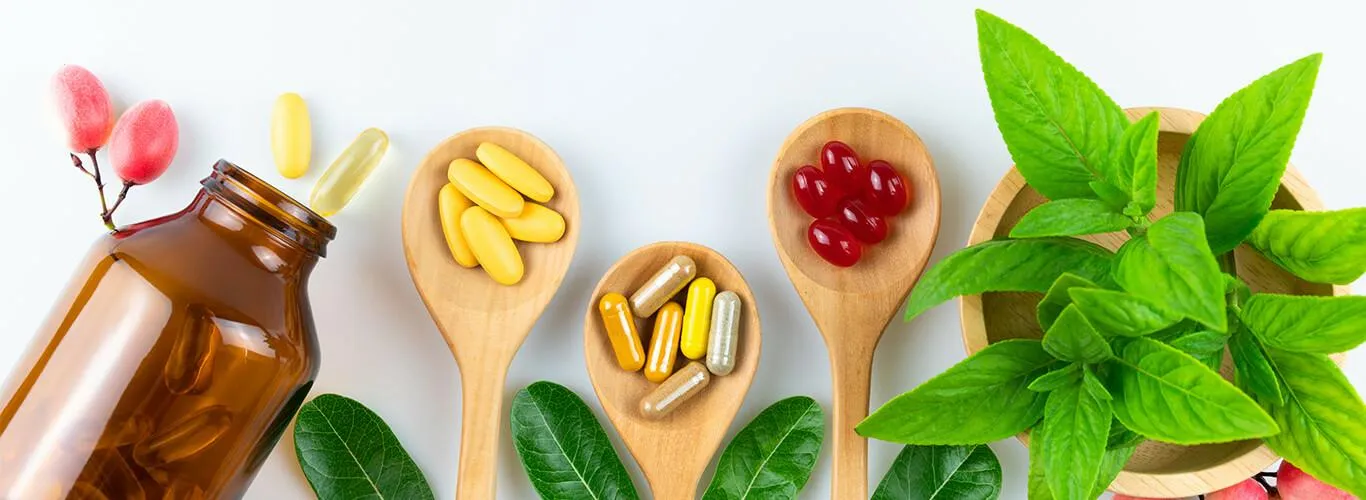
What Makes a Weight Loss Supplement Effective?
In recent years, dietary supplements have gained massive popularity. Consumers use them eagerly, often believing they are harmless and can only have a positive effect. Nothing could be further from the truth! The supplement market is not as strictly regulated as the pharmaceutical industry. Their ingredients are not subject to rigorous scrutiny.
Many supplements available in pharmacies today are advertised as weight loss aids. They work in various ways—some aim to burn fat tissue, others to accelerate digestion or suppress appetite.
However, keep in mind that products from dubious sources may be harmful. Incorrect dosages can also lead to negative side effects. If you still want to support your weight loss journey with supplements, read on to learn what’s available, how they work, and how to choose wisely.
Which Weight Loss Supplement Should You Choose?
If you’re wondering which supplement to pick, consider the following categories:
- Fat burners
- Diuretics
- Appetite suppressants
- Digestive accelerators
Let’s break down how each of these works so you can decide which (if any) may be a helpful addition to your weight loss efforts.
Fat Burners
These supplements aim to speed up fat burning or prevent fat accumulation. Common ingredients include capsaicin and epigallocatechin gallate (EGCG) from green tea.
Capsaicin
Capsaicin is a natural plant compound responsible for the spicy flavor in chili peppers and cayenne. It’s added to many weight loss supplements to stimulate thermogenesis—the process of generating heat to maintain body temperature, which may aid fat loss.
Does it work? Capsaicin has been studied extensively, but not all research has been conducted on humans. In addition to raising body temperature, it may increase fat burning and reduce appetite.
One study showed that consuming a small amount of chili pepper (0.9 g) before a meal or taking capsaicin in capsule form led to a 10–16% reduction in caloric intake. However, long-term studies evaluating capsaicin supplementation and its effects on body weight are lacking.
Green Tea Extract
Green tea, especially its EGCG content, can improve glucose tolerance. Some studies suggest that using green tea extract for eight weeks can significantly reduce BMI and improve lipid profiles.
However, a 2014 meta-analysis of randomized trials—considered the gold standard of evidence—found only minimal impact on weight loss.
Diuretic Supplements
These work by removing water from the body, creating the illusion of weight loss. However, fat loss—not water loss—should be the goal of any effective weight reduction strategy.
Diuretics should only be used under medical supervision, as losing too much water can lower electrolyte levels, potentially posing a life-threatening risk.
Appetite Suppressants
These products aim to reduce hunger, leading to lower food intake and helping to create a calorie deficit.
Chromium
Chromium regulates enzymes involved in nutrient metabolism. It influences blood glucose by stimulating insulin production and improving insulin sensitivity.
Studies show that chromium supplementation may reduce body weight, BMI, and fat mass—but only when combined with a calorie-restricted diet.
Caution is advised, as excessive chromium intake can be harmful.
Caffeine
Naturally present in coffee, yerba mate, and guarana, caffeine’s effect on weight loss is inconclusive.
Some studies show that 300 mg of caffeine can reduce calorie intake by 277 kcal per meal. Other research, however, has found the opposite effect.
Caffeine also enhances exercise performance and is commonly added to pre-workout formulas to delay fatigue, increase energy expenditure, and reduce pain perception.
Still, caffeine can be overconsumed, and its intake should be monitored.
Garcinia Cambogia
Also known as Malabar tamarind, this plant contains hydroxycitric acid (HCA), believed to support fat loss. HCA is also found in citrus fruits like lemons and oranges.
The mechanisms behind its potential appetite-suppressing effects are unclear. It may work by increasing serotonin levels or boosting thermogenesis.
One study showed that people on a reduced-calorie diet who took this supplement lost 0.88 kg more than those on a placebo.
However, there are no clear safety guidelines for Garcinia Cambogia. High doses may cause diarrhea and nausea.
Digestive Accelerators
These supplements are designed to speed up digestion but do not have a clear effect on weight loss and can easily be overdosed.
Dietary Fiber
Fiber supplements aim to stimulate bowel movements, speed up digestion, and increase satiety. While they often lead to faster elimination of food waste, they don’t reduce caloric intake.
Long-term use of fiber supplements may have negative side effects, including:
- Impaired nutrient absorption
- Bloating and constipation (especially with inadequate hydration)
- Dependency (sluggish digestion after discontinuation)
Since fiber is abundant in affordable whole foods (vegetables, fruits, whole grains, seeds), a balanced diet usually provides sufficient fiber, making supplements unnecessary.
Alpha-Lipoic Acid
This compound is involved in the metabolism of carbohydrates and fats. It can reduce blood glucose levels and improve insulin sensitivity, making it beneficial for individuals with obesity-related glucose issues.
Studies indicate that alpha-lipoic acid supplementation can lead to modest but statistically significant weight loss. However, long-term data is lacking.
Effective Supplement or… Effective Diet?
While some studies support the effectiveness of weight loss supplements, others do not. What’s certain is that the only proven way to lose weight safely and sustainably is by following a calorie-deficit diet.
Balanced Diet First
A well-designed diet is the most effective way to shed excess pounds. A nutritionally balanced and diverse eating pattern will also provide all the essential vitamins and minerals your body needs.
Start by improving the quality of your meals and choosing nutrient-dense foods. If you struggle to calculate your calorie needs or design your diet, consider consulting a specialist. Diet apps like Peater can also be helpful.
Physical Activity Supports Weight Loss
If you’re still wondering how to lose weight, the best results come from combining a calorie-reduced diet with physical activity. Exercising during your weight loss journey will accelerate progress.
Balanced nutrition and moderate physical activity are the two pillars of a healthy lifestyle. Don’t forget this—even while trying to slim down. Supplements should only be considered a supportive addition—and even then, only under medical supervision.

Udostępnij ten artykuł