






 Powrót


Is a Vegetarian Diet Healthy? The Impact of a Plant-Based Diet on Health
Are you wondering whether a vegetarian diet is healthy? Numerous studies indicate that a meat-free diet has a beneficial effect on human health and helps prevent the development of many diseases. Read on to discover the health benefits of a vegetarian diet.
In this article, you will learn:
- Vegetarian Diet: Health Effects
- Vegetarian Diet and Lower Risk of Cardiovascular Diseases
- Health Benefits of Legumes
- Whole Grains and Nuts – Lower Cardiovascular Risk
- Benefits of a Vegetarian Diet – Lower Blood Pressure
- Healthy Plant-Based Diet – Lower Risk of Diabetes
- Lower Cancer Risk with a Vegetarian Diet
- Vegetarianism, Obesity, and Gut Health
- Is a Vegetarian Diet Healthy?
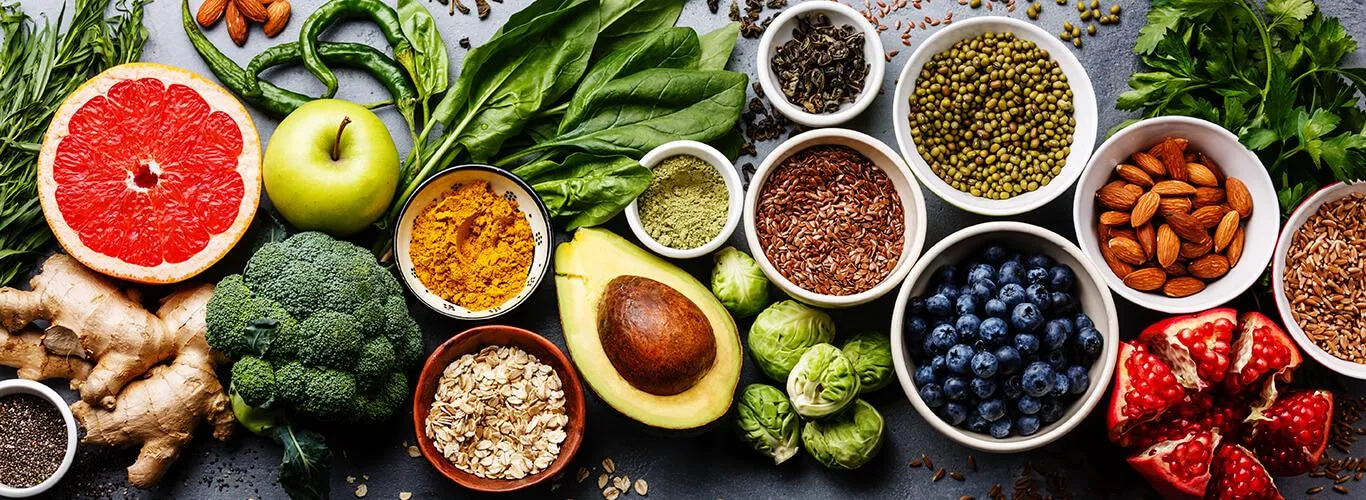
Vegetarian Diet: Health Effects
Since ancient times, people have sought to understand the links between specific dietary components and disease prevention. There is a wealth of research confirming the positive effects of a vegetarian diet on human health.
Rational exclusion of meat from the diet and replacing it with wholesome products can help prevent many diseases. Below, you’ll find how a vegetarian diet can positively affect your health.
Vegetarian Diet and Lower Risk of Cardiovascular Diseases
Today, cardiovascular diseases are one of the leading causes of premature death. Vegetarian diets reduce the risk of death from ischemic heart disease. A meta-analysis found that mortality from cardiovascular diseases was 16% lower in vegetarians, and the risk of death from ischemic heart disease was 29% lower.
This is linked to increased consumption of:
- vegetables,
- fruits,
- soy proteins,
- whole grains,
- nuts and plant-based fats.
These foods contribute to lower total cholesterol, LDL cholesterol, and triglyceride levels.
The Role of Frequent Fruit and Vegetable Consumption in Cardiovascular Health
A vegetarian diet is typically rich in fruits and vegetables, leading to higher intakes of antioxidants, vitamins, minerals, and dietary fiber. These nutrients positively influence blood clotting parameters, reduce platelet aggregation, and improve endothelial function.
Research suggests that increasing fruit and vegetable intake favorably affects blood pressure and LDL cholesterol levels. A single serving of fruit reduces the risk of death from cardiovascular disease by 5%, and a serving of vegetables reduces it by 4%. Their beneficial effects are attributed to higher levels of vitamin C, flavonoids, potassium, and magnesium.
Health Benefits of Legumes
Plant-based diets usually involve a higher intake of legumes, especially soy. Legumes are a good meat alternative. They contain no cholesterol, have low levels of saturated fatty acids, and are rich in polyunsaturated fats, plant protein, and dietary fiber.
Studies show that including legumes in the diet improves lipid profiles. Replacing animal products with soy protein lowers blood pressure and LDL cholesterol by about 4.3%.
Whole Grains and Nuts – Lower Cardiovascular Risk
Meat-free diets are also typically richer in whole grain products. Thanks to their high content of health-promoting compounds (phytochemicals, dietary fiber), they may reduce the risk of cardiovascular disease.
Nuts are another important component of vegetarian diets with cardiovascular benefits. Regular consumption reduces total and LDL cholesterol levels and the risk of cardiovascular disease. Research shows that people who ate about 30 g of nuts four times per week reduced their risk of ischemic heart disease by 22–24% (1,2).
Benefits of a Vegetarian Diet – Lower Blood Pressure
High blood pressure is often associated with a diet high in sodium and low in potassium. Vegetarians tend to have lower blood pressure than people following traditional diets. Their diets usually have a better sodium-to-potassium ratio, which helps reduce the risk of hypertension.
Increased consumption of vegetables and fruits rich in:
- potassium,
- magnesium,
- antioxidants,
- plant fats,
- dietary fiber,
also contributes to blood pressure reduction.
Studies show that eating five to ten servings of vegetables and fruits daily significantly lowers blood pressure. Moreover, plant-based eaters consume less salt, partly due to eliminating meat and processed meats from their diet (3).
Healthy Plant-Based Diet – Lower Risk of Diabetes
Studies show that people following vegan or lacto-ovo-vegetarian diets have a lower risk of type 2 diabetes and insulin resistance (4,5). Plant-based diets usually have a lower glycemic index, which is crucial in preventing carbohydrate metabolism disorders.
This may be due to higher consumption of vegetables, legumes, fruits, nuts, seeds, and whole grains. As a result, plant-based diets provide more anti-inflammatory compounds, dietary fiber, and unsaturated fats.
A major preventive factor in vegetarian diets is the elimination of red and processed meats, which are associated with higher insulin and glucose levels.
Vegetarians also consume fewer saturated fats and simple sugars, whose excessive intake may impair carbohydrate metabolism. They typically have lower BMI, which improves insulin sensitivity.
Lower Cancer Risk with a Vegetarian Diet
A vegetarian diet is rich in nutrients such as fiber, vitamin C, carotenoids, flavonoids, and lycopene. These components contribute to a lower risk of various cancers.
A meta-analysis found that vegetarians have a 15% lower risk of developing cancer overall (6). This is linked not only to dietary changes but also to lifestyle factors, such as not smoking, reduced alcohol intake, and increased physical activity.
The vegetarian diet may protect against cancers of the stomach (risk reduced by up to 63%), colon, prostate, pancreas, and lymphatic system.
Vegetarianism, Obesity, and Gut Health
Vegetarians tend to have a lower BMI than people on traditional diets. Many studies have shown that switching to a vegetarian diet results in weight loss among adults and adolescents. This is largely due to increased intake of low-calorie, nutrient-dense foods.
In addition, vegetarians typically eat more unprocessed foods and tend to be more nutritionally conscious (7).
They also have a lower incidence of diverticular disease in the colon, likely due to higher dietary fiber intake (8).
Is a Vegetarian Diet Healthy?
Studies suggest that well-planned vegetarian diets can offer many health benefits. Compared to traditional diets, plant-based eating is linked to reduced body weight, improved lipid profiles, and lower blood pressure. It also reduces the risk of metabolic syndrome and cardiovascular diseases.
However, if you eliminate meat from your diet, it’s essential to pay attention to the proper composition of meat-free meals. Doing so helps prevent deficiencies in nutrients such as iron or vitamin B12.
By choosing high-quality plant-based foods and ensuring adequate intake of essential nutrients, you can enjoy good health and overall well-being on a vegetarian diet.

Udostępnij ten artykuł