




 Powrót


Vegetarian Diet and Nutrient Deficiencies. How to Prevent Them? Part 1
A plant-based diet, while offering numerous health benefits, is also prone to deficiencies of certain essential nutrients. Find out which nutrients require special attention if you follow a vegetarian diet.
In this article, you will learn:
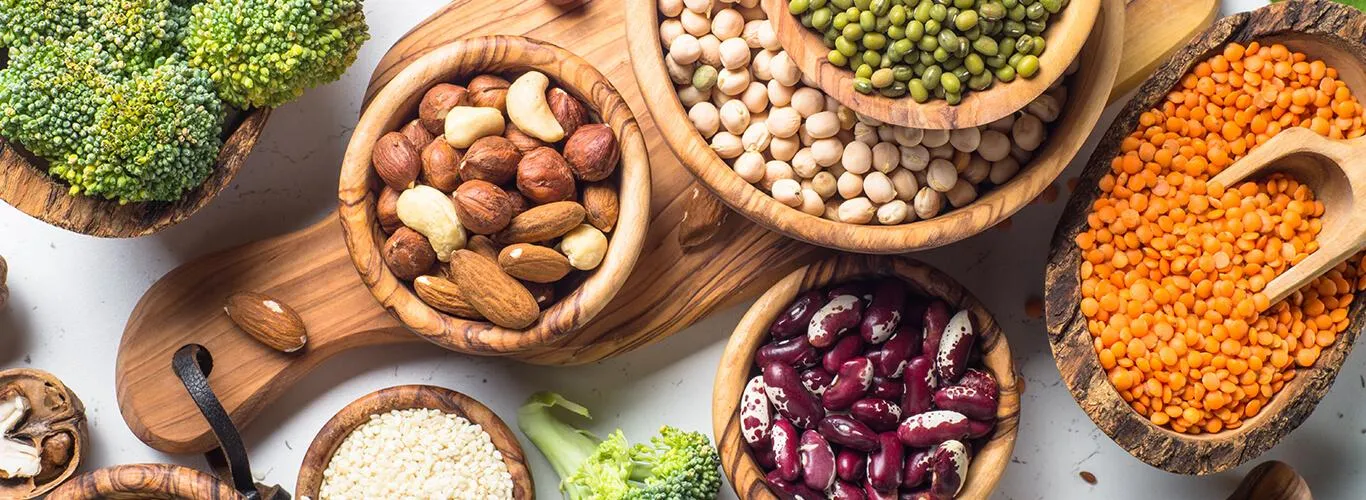
Vegetarian Diet and Nutrient Deficiencies
A vegetarian diet falls into the category of elimination diets. For this reason, it may be difficult to properly balance certain nutrients, which can often lead to deficiencies. Those most at risk are people whose diets lack variety. Remember: when you eliminate a group of foods, you must replace it with something else.
Nutrients that are potentially lacking in a vegetarian diet include:
- protein,
- calcium,
- iron,
- zinc,
- iodine,
- vitamin D,
- vitamin B12,
- selenium,
- omega-3 polyunsaturated fatty acids.
Nutrient Deficiencies in Vegetarian Diets
Below, you’ll read about nutrients frequently flagged as deficient in meat-free diets—namely, iron, vitamin B12, and zinc. Other potentially deficient nutrients (iodine, calcium, selenium, and vitamin D) are discussed in Part 2 of the article.
Iron in a Vegetarian Diet
Why is iron important for health?
Iron plays a critical role in tissue respiration. It is involved in oxygen transport, cellular respiration, lipid metabolism, and DNA synthesis.
Dietary iron exists in two forms: heme and non-heme. Plant-based foods contain only non-heme iron, which is more sensitive to substances in other foods that can inhibit its absorption. As a result, non-heme iron is less bioavailable than heme iron.
The absorption rate of non-heme iron ranges from 1 to 23%, depending on two key factors: the body’s iron status and the presence of absorption-enhancing or -inhibiting components in the diet. Inhibitors slow the absorption process, while enhancers accelerate it.
Iron absorption inhibitors include:
- phytates,
- oxalates,
- high dietary fat content,
- polyphenols and tannins,
- excess fiber,
- certain minerals (calcium, zinc, manganese, phosphorus).
These antinutrients reduce iron bioavailability by forming insoluble complexes that are excreted unchanged in the stool.
What Inhibits Iron Absorption?
The main inhibitor of non-heme iron absorption is phytate, found in:
- legumes,
- nuts,
- seeds,
- whole grain cereals,
- bran.
Fortunately, certain food preparation methods can reduce phytate levels and enhance iron availability. These include grinding, cooking, fermentation, soaking, and sprouting. Soaking legumes and sourdough fermentation of bread are especially effective. Fermented soy products like miso and tempeh also boost iron absorption.
Polyphenols are another group of compounds that hinder iron absorption. They are present in many plant foods and drinks (vegetables, fruits, grains, legumes, tea, coffee, wine). Their inhibitory effect depends on type and amount. Black tea polyphenols are particularly potent inhibitors. Polyphenols in legumes and grains may amplify the inhibitory effect of phytates.
How to Improve Iron Absorption on a Plant-Based Diet?
Vitamin C and other organic acids (citric, lactic, malic) enhance iron bioavailability. Vitamin C binds to iron, preventing it from interacting with phytates and tannins, and also converts iron into a more absorbable form. Iron absorption can increase 3- to 6-fold with the addition of 50 mg of vitamin C per meal—an amount found in a glass of orange juice or a quarter of a red pepper.
Lysine, folic acid, and copper also help improve iron absorption.
Although the total iron content in vegetarian diets is similar to omnivorous diets, iron bioavailability differs. In vegetarians, it’s around 10%, while in meat-eaters, it’s about 18%. Therefore, vegetarians are advised to consume about 1.8 times more iron.
Over time, the body can adapt to lower iron intake by increasing absorption and reducing losses. One study found that total iron absorption rose by nearly 40% after 10 weeks on a low-bioavailability diet. In iron-deficient individuals, non-heme iron absorption can be up to 10 times higher compared to those with normal iron status.
Iron is absorbed more efficiently when serum ferritin levels are low. Vegetarians should regularly monitor their blood biochemistry, especially hemoglobin, serum iron, ferritin, and red blood cell count. Routine iron supplementation is not recommended.
Which Plant-Based Foods Are Highest in Iron?
| Serving | Iron Content | |
|---|---|---|
| Cooked amaranth | 1 cup | 5,2 mg |
| Lentils | 1 cup | 3,8 mg |
| Tofu | 100 g | 2,9 mg |
| Cooked quinoa | 1 cup | 2,8 mg |
| Cashews | 50 g | 2,7 mg |
| Dried apricots | 50 g | 1,6 mg |
| Cooked broccoli | 1/2 cup | 1 mg |
| Tempeh | 100 g | 2,2 mg |
| Pumpkin seeds | 1 tbsp | 1 mg |
| Sun-dried tomatoes | 2 slices | 1,12 mg |
Vitamin B12
Cobalamin (vitamin B12) is essential for the proper functioning of the nervous and circulatory systems. Deficiency can lead to megaloblastic anemia and irreversible neurological damage.
Only animal-derived foods (meat, eggs, fish, organ meats, dairy) naturally contain significant amounts of B12. No plant-based food provides a reliable source.
Some fermented soy products (tempeh, miso), seaweed, or algae (like spirulina) may contain B12 analogues, but they are not considered reliable sources of the active form. Moreover, high spirulina intake may even interfere with B12 absorption from other foods or supplements.
An increasing number of fortified plant-based foods are available, such as:
- plant milks (e.g., soy, almond),
- dairy alternatives (e.g., soy or coconut yogurt),
- breakfast cereals,
- nutritional yeast,
- vegan sweets.
However, these typically provide only about 15% of an adult’s daily requirement per 100 g, so they should not be the sole source of B12.
Vegans, who exclude all animal products, are at high risk of B12 deficiency and must supplement it. Even vegetarians often have low B12 levels, so supplementation is likely necessary for them as well.
B12 absorption is most efficient when taken in small, evenly spaced doses. About 60% is absorbed from a 5 µg dose, but only ~1% is absorbed from a 500 µg dose. The most stable form of B12 is cyanocobalamin.
Zinc
Zinc serves catalytic, structural, and regulatory roles in the human body. It is a component of many enzymes involved in the metabolism of proteins, fats, and carbohydrates.
Zinc is found in cheese, meat, eggs, buckwheat groats, and whole grain bread. In poorly planned vegetarian diets, it may be a potentially deficient nutrient. Zinc from animal products is more bioavailable.
Phytates, oxalates, and fiber in plant foods reduce zinc absorption. Other inhibitors include certain minerals (e.g., copper, non-heme iron, calcium) and alcohol.
Reducing zinc-binding by phytic acid improves bioavailability—achievable through the same culinary techniques that enhance iron absorption: soaking, sprouting, and fermenting legumes, grains, and seeds, as well as sourdough fermentation. Organic acids (citric, malic) and protein-rich meals also enhance absorption.
Zinc bioavailability is lower in vegetarian diets, yet studies show that most vegetarians maintain adequate zinc levels. This may be due to adaptive mechanisms that improve zinc utilization in the body.
Summary: Nutrient Deficiencies in a Vegetarian Diet – Part 1
Ensuring nutrient bioavailability is crucial on a plant-based diet. Vegetarians should pay close attention to the risk of iron and vitamin B12 deficiencies. However, these are not the only nutrients to monitor.
This article is the first part of a series on nutrient deficiencies in vegetarian diets. In the second part, you’ll learn about other potentially lacking nutrients: iodine, calcium, selenium, and vitamin D. It will also include a summary table with plant-based foods rich in these key nutrients.
Udostępnij ten artykuł