





 Powrót


What to Eat to Lower Homocysteine Levels? The Impact of Homocysteine on the Body
Abnormal levels of homocysteine in the blood can lead to many health problems. Elevated homocysteine levels are especially associated with an increased risk of cardiovascular disease. Read on to find out what to focus on in your diet and what to eat to lower homocysteine levels.
In this article, you will learn:

What is Homocysteine?
Homocysteine is an amino acid produced in the body as a result of intracellular transformations of methionine (which comes from food). Its concentration in the blood can be an important indicator of health status. For this reason, individuals at risk should regularly monitor their homocysteine levels.
Homocysteine and Cardiovascular Disease
Elevated homocysteine is currently one of the main markers of increased risk for cardiovascular and neurodegenerative diseases.
Assessing homocysteine levels in the blood allows for early intervention and reduces the likelihood of disease development. Diet and lifestyle play a key role in the proper metabolism of homocysteine and maintaining its optimal levels.
Homocysteine Metabolism
Unlike other amino acids, homocysteine is not incorporated into protein structures. After leaving the cell, this amino acid circulates in the blood and can be transformed back into methionine.
This process requires the presence of folic acid (vitamin B9) and vitamin B12. Additionally, homocysteine can be converted into cysteine in the presence of vitamin B6. Therefore, an adequate intake of these nutrients is essential for the proper metabolism of homocysteine.
Elevated Homocysteine – Risk Factors
An improperly balanced diet contributes to elevated homocysteine levels. Other lifestyle factors such as alcohol consumption and smoking also impair the metabolism of homocysteine and reduce the levels of the vitamins needed for this process.
Elevated plasma homocysteine is also associated with certain medical conditions (kidney and liver failure, type 1 and type 2 diabetes).
In addition to dietary errors, genetic factors are a major risk factor for hyperhomocysteinemia. Gene mutations often affect the enzymes involved in homocysteine metabolism. One of the most common genetic variants is the MTHFR gene mutation (methylenetetrahydrofolate reductase), which is involved in folate, methionine, and homocysteine metabolism.
People with this mutation may require higher doses of folate. Maintaining normal folate levels in the blood also helps normalize homocysteine levels.
How Does Excess Homocysteine Affect the Body?
The reference range for homocysteine in the blood is 7–10 μmol/L. A concentration above 15 μmol/L indicates hyperhomocysteinemia. Levels between 11–13 μmol/L can already damage blood vessels.
Excess homocysteine is associated with a twofold increased risk of death from cardiovascular diseases. Elevated levels promote circulatory disorders.
High homocysteine levels damage the endothelium (inner lining) of blood vessels. They inhibit the release of nitric oxide, which is responsible for vasodilation and increased blood flow. This can lead to vasoconstriction and a higher risk of platelet aggregation. Excess platelets increase the risk of blood clots.
During homocysteine metabolism, reactive oxygen species are also formed, which further damage vessel walls and alter the structure of circulating proteins.
This amino acid also stimulates the synthesis of smooth muscle fibers in vessel walls, making them stiff. This contributes to the development of hypertension.
Scientific studies also show that hyperhomocysteinemia is associated with neurodegenerative diseases such as Parkinson’s and Alzheimer’s.
Homocysteine and Cholesterol
Narrowing of the vessels due to excess platelets can also cause increased deposition of altered LDL cholesterol particles in the endothelium. Their oxidation is intensified by elevated homocysteine. Additionally, homocysteine inhibits DNA synthase, an enzyme that helps repair the damaged endothelium. This increases the risk of plaque formation and atherosclerosis.
Who Should Monitor Their Homocysteine Levels?
Homocysteine levels should be regularly monitored by people who:
- have had a heart attack or stroke,
- suffer from cardiovascular disease,
- have atherosclerotic changes,
- have high blood pressure,
- have diabetes,
- have metabolic syndrome,
- suffer from kidney disease,
- smoke cigarettes,
- abuse alcohol.
The Role of Diet in Hyperhomocysteinemia – What to Eat to Lower Homocysteine?
One of the main causes of hyperhomocysteinemia is a deficiency in vitamins B6, B12, and folic acid. A properly balanced diet can provide these nutrients in sufficient amounts. This ensures proper homocysteine metabolism, keeping blood levels within the normal range.
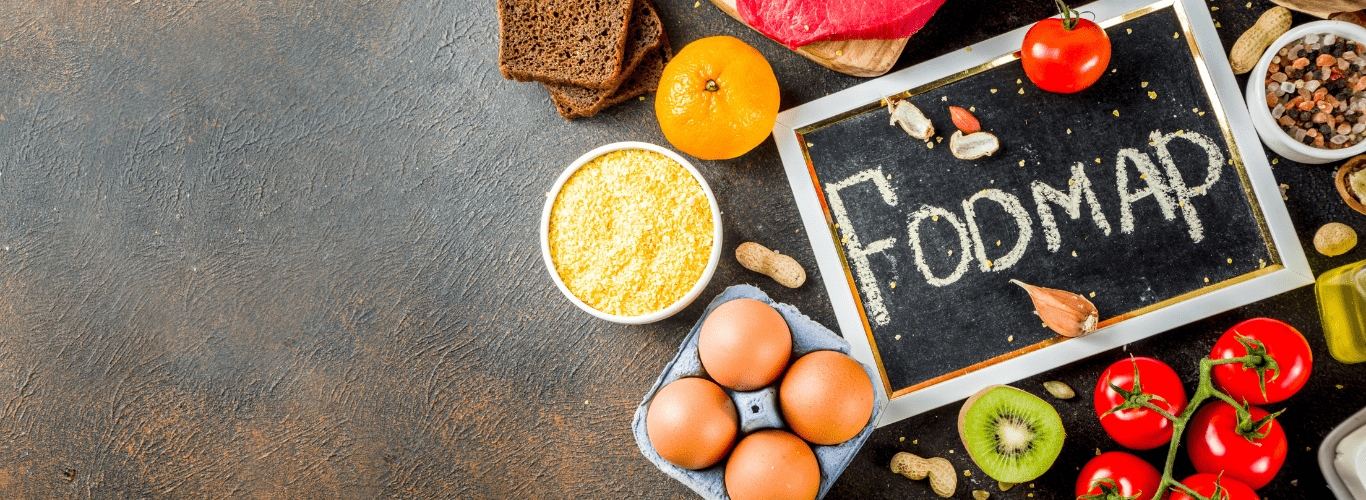
What to eat to lower homocysteine levels? Pay attention to foods that are natural sources of B vitamins. Good sources of vitamin B12 include animal products such as:
- red meat,
- poultry,
- fish,
- eggs,
- milk and dairy products.
Choose primarily lean poultry, fish, and low-fat natural dairy products.
Vitamin B6 is found in fish, meat, and legumes. This vitamin is also necessary for the metabolism of proteins, fats, and carbohydrates. Folic acid is primarily found in dark green leafy vegetables (e.g., kale, spinach), cruciferous vegetables, and legumes.
One of the best dietary patterns for maintaining healthy homocysteine levels is the DASH diet. It emphasizes whole grains, leafy green vegetables, legumes, low-fat dairy products, and fish. It reduces the risk of atherosclerosis, heart attack, and stroke, and lowers bad cholesterol levels.
For individuals diagnosed with the MTHFR gene mutation, folic acid supplementation is necessary—preferably in its active form, metafolin. The appropriate dose should be determined by a doctor.
How to Lower Homocysteine Levels in the Blood?
Elevated homocysteine levels increase the risk of many diseases. That’s why people in high-risk groups should regularly monitor their homocysteine levels.
What to eat to lower homocysteine? Ensure your diet provides all the necessary vitamins involved in the metabolism of this amino acid. Pay particular attention to adequate intake of B vitamins.
If you belong to a high-risk group, consider adopting the DASH diet. In this case, it’s a good idea to consult a dietitian or physician.

Udostępnij ten artykuł